

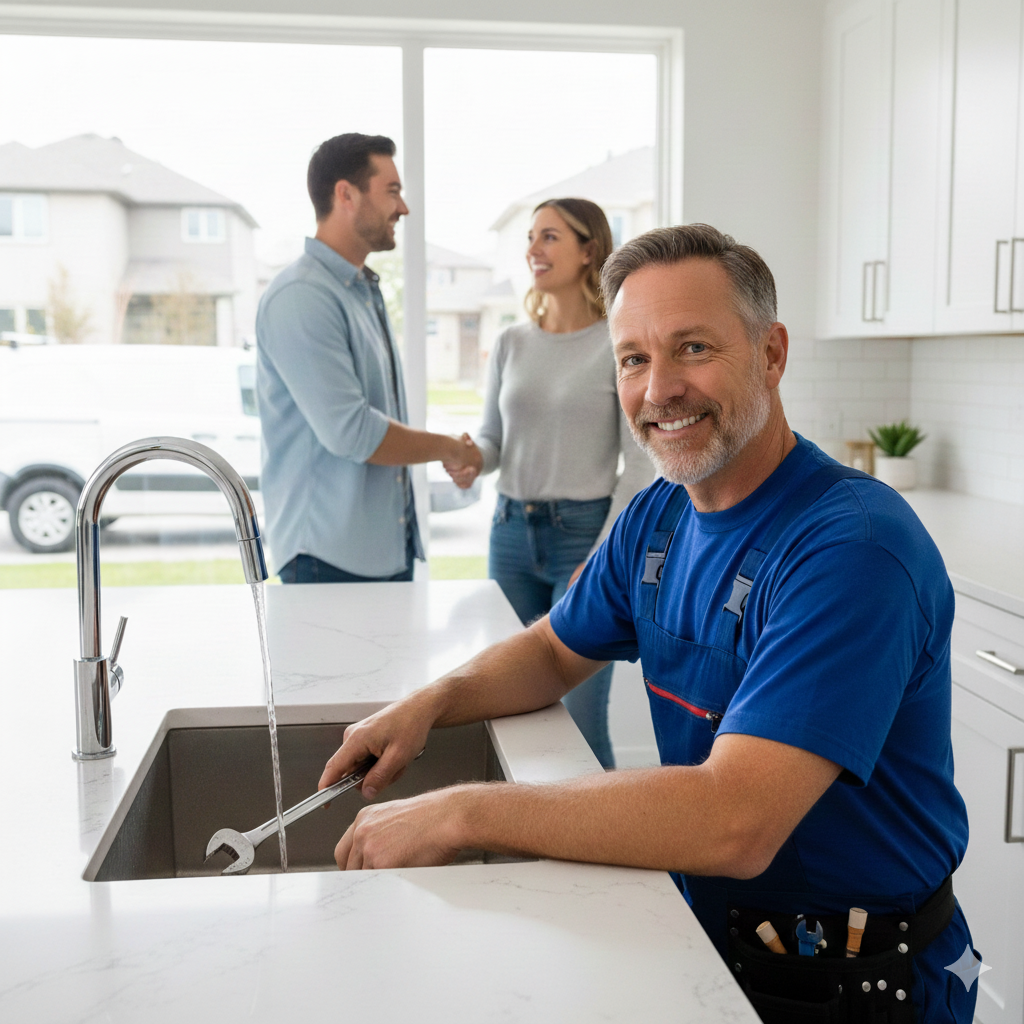
Plumbers Near Me: Fast, Licensed Local Service

Finding a trustworthy plumber near you shouldn’t feel like guessing. You can quickly locate qualified, local plumbers near-by checking verified reviews, service specialties (like emergency repairs or drain cleaning), and clear pricing up front, which saves time and prevents surprise costs.

If a leak or blocked drain demands attention, you’ll want a pro who responds fast and has the right tools and certifications. This article Plumbers Near Me shows how to pick reliable plumbing services, what common repairs actually involve, and the questions to ask so you get the right solution for your home.

Selecting Reliable Plumbing Services

You need plumbers who are licensed, well-reviewed, and provide transparent estimates. Focus on credentials, real customer feedback, and detailed written pricing to avoid surprises.

Identifying Licensed Professionals

Check for a valid license number and the issuing authority in your state or province. Call the licensing board online to confirm status, specialties, and any disciplinary history.

Ask for proof of insurance: general liability and workers’ compensation. Verify policy numbers with the insurer when possible to ensure coverage for property damage or injuries on your property.

Confirm certifications for specific systems you have, such as gas lines, backflow prevention, or tankless water heaters. Technicians with manufacturer certifications or trade-association memberships often follow stricter training and safety standards.

Request references for jobs similar to yours and note whether the company uses licensed journeymen or apprentices on-site. Written guarantees or warranties on parts and labor indicate a professional commitment you can enforce.

Evaluating Customer Reviews

Look for multiple reviews across platforms: Google, Yelp, Better Business Bureau, and local trade sites. Prioritize patterns over single comments—consistent praise or repeated complaints reveal reliable trends.

Focus on reviews mentioning punctuality, communication, cleanup, and whether estimates matched final billing. Specifics like “arrived within two hours” or “charged exactly the quoted amount” matter more than generic praise.

Watch for how the company responds to negative reviews. Professional, prompt responses that offer remediation suggest they value reputation and will address issues on your job.

Ask neighbors or local community groups for recommendations. Firsthand accounts about workmanship and follow-up service can identify reliable local technicians faster than anonymous ratings.

Comparing Pricing and Estimates

Request written estimates from at least three plumbers for the same scope of work. Ensure each estimate lists labor rates, parts, permits, disposal fees, and any conditions that could change the price.

Distinguish between flat-rate quotes and time-and-materials estimates. Flat-rate fits well for defined repairs; time-and-materials may be appropriate for diagnostic work but include hourly cap and itemized parts list.

Ask about service call fees, emergency surcharges, and overtime rates. Get the warranty terms in writing: length of coverage, what is covered, and whether the company will honor repairs by the same technician.

Use a simple comparison table to evaluate estimates:

Item Plumber A Plumber B Plumber C
Written estimate Yes Yes Yes
Labor rate $85/hr $95/hr $80/hr
Parts markup 10% 20% 15%
Warranty (months) 12 24 12
Emergency fee $75 $100 $50

Choose the bid that balances clear pricing, solid warranty, and documented credentials rather than simply the lowest price.

Understanding Common Plumbing Solutions

You can expect practical services that prevent problems, stop active leaks fast, and restore flow in slow or blocked drains. Each service targets specific causes and uses proven tools or techniques to deliver lasting results.

Routine Maintenance Services

Routine maintenance keeps fixtures and systems functioning and helps avoid emergency repairs. Typical services include fixture inspections, valve and faucet tightening, water heater checks, and testing for slow leaks under sinks and behind appliances.

A plumber will often perform a water pressure test, flush sediment from the water heater, and exercise shut-off valves so they operate when needed. They may also recommend replacing worn seals, shower cartridges, or corroded supply lines to prevent future leaking.

Many pros offer scheduled plans that include annual or biannual visits, prioritized dispatch, and discounts on parts. You should get a written checklist and estimates for any recommended replacements so you know what was inspected and why work is advised.

Emergency Leak Repairs

When you have an active leak, rapid containment matters to limit water damage and mold. Plumbers will first isolate the leak, shut off the appropriate supply lines, and use temporary clamps or plugs if a permanent repair requires parts or drying time.

Common permanent fixes include replacing damaged sections of copper, PEX, or PVC pipe, reseating or replacing valve assemblies, and swapping out failed fittings or hose connections. For slab leaks, expect pipe reroutes or spot repairs and diagnostic work such as electronic leak detection or thermal imaging.

Ask the plumber about moisture mitigation steps they will take, time to complete the repair, and whether they can coordinate with your insurance. Get clear pricing for emergency call-out fees, parts, and labor before work begins.

Drain Cleaning Methods

Drain problems range from hair and soap build-up to tree-root intrusions in sewer lines; the cleaning method depends on the cause. For localized clogs, plumbers commonly use motorized drain snakes (augers) or manual cable machines to cut and pull debris.

Hydro-jetting uses high-pressure water to remove grease, scale, and biofilm from pipes when mechanical snaking is insufficient. For persistent or recurring clogs, plumbers perform a camera inspection to identify collapsed piping, root intrusion, or misaligned joints before recommending repairs.

You should ask for a post-cleaning inspection and a preventive plan, such as strainers for sinks, enzyme treatments, or regular hydro-jetting schedules for older sewer lines. Request before-and-after camera footage when available to verify the work performed.

 

Ottawa Excavating: Expert Site Preparation and Residential Excavation Services

You need dependable excavation in Ottawa that matches your project scope, budget, and local regulations. Choose a contractor who understands site preparation, grading, permits and utility coordination so your driveway, foundation or drainage work proceeds on schedule and without costly surprises.

This post Ottawa Excavating walks through what matters most for Ottawa excavating—clearing and prepping land, trenching for utilities, and managing permits and inspections—so you know what to expect and can make informed choices for your property. Expect practical tips on choosing equipment, avoiding common pitfalls, and coordinating with local crews to keep your project on track.

Site Preparation and Land Clearing

You need accurate soil data, a stable grade, and safe removal of trees and debris to start construction without delays. Permits, erosion controls, and access for heavy equipment also matter.

Assessing Soil Conditions

You must begin with a soil investigation that includes boreholes or test pits at planned foundation locations and along utility trenches. Look for clay layers, high groundwater, organic peat, and frost-susceptible silts—each affects bearing capacity and drainage differently.

Request a geotechnical report that lists Standard Penetration Test (SPT) results, laboratory grain-size and Atterberg limits, and recommended allowable bearing pressures. Use that report to decide on excavation depth, need for engineered fill, and whether dewatering or sub-excavation is required.

Document soil corrosivity and sulphate content if you’ll install buried concrete or metal utilities. Plan erosion and sediment control (silt fence, sediment traps) for exposed soils during wet seasons to meet municipal requirements.

Grading and Leveling Methods

Define finished grades from your site plan, then set control elevations at corners and major slope breaks. Use a laser level or GPS machine control to achieve ±10–25 mm tolerance for building pads and driveways, depending on project specs.

Choose cut-and-fill balancing to minimize imported fill. When importing material, verify compaction specs (typically 95% Standard Proctor) and gradation. For slopes, apply benching or terracing and install geotextile where needed to prevent migration of fine soils.

Specify subgrade compaction passes, proof-rolling with a loaded dump truck, and proctor-density testing locations. Provide positive surface drainage: minimum 2% slope away from foundations for the first 3 m and routed to designated storm management areas.

Tree and Debris Removal

Start by marking trees to protect, preserve, or remove according to your landscape plan and municipal bylaws. Obtain any required tree-cutting permits and coordinate conservation authority restrictions before felling.

Use stump grinding for small to medium trees and full extraction with root-ball removal for sites that need clean subgrade. Chip branches and stockpile or haul off debris; separate recyclable wood where possible to reduce landfill costs.

Manage erosion and soil disturbance when operating near retained trees—install tree protection zones and limit trenching within root zones. Keep a clear record of removed specimens and disposal manifests in case of permit audits.

Trenching and Utility Installation

You’ll need precise trench dimensions, safe excavation methods, and correct material backfill to protect pipes, cables, and future landscaping. Focus on permit compliance, locating existing utilities, and hiring experienced operators with appropriate equipment.

Water and Sewer Line Excavation

You must verify depth and slope requirements before digging; typical water lines sit 1–1.5 m deep in Ottawa to prevent freezing, while sewer mains require consistent fall (commonly 1–2% slope) for gravity flow. Call local utility-locating services to mark gas, telecom, and other buried lines; unmarked strikes risk service disruptions and fines.

Use shoring or trench boxes when trenches exceed 1.2–1.5 m or when soil conditions are unstable to protect workers. Excavate with machines sized for narrow, controlled trenches—mini-excavators for yards, larger track machines for long runs. Bedding material (washed sand or 3/4″ crushed stone) should be placed and compacted beneath pipes to prevent point loads and maintain alignment.

Pressure-test potable lines and CCTV-inspect sewers before backfill. Keep as-built depth and offset records for future maintenance.

Electrical and Communication Trenches

You must segregate electrical and communication conduits from water and gas to meet code and reduce interference. Typical spacing: electrical lines often require a minimum separation (check Ontario Electrical Safety Code) and should follow conduit depth rules—commonly 0.6–0.9 m for low-voltage and deeper for high-voltage or where surface loads exist.

Install continuous conduit runs with pull boxes at turns and junctions to simplify future cable replacement. Use warning tape or detectable warning mesh 150–300 mm above conduits to prevent accidental strikes during later excavations. For long runs, stage spoil away from edges and maintain safe egress intervals for workers.

Label conduit runs and update site plans. Coordinate with telecom providers for fiber-specific handling and bending-radius protection.

Backfilling Techniques

You must backfill in controlled lifts to prevent settlement and protect utilities. Use clean fill or specified backfill material free of large rocks and organic material; place material in 150–300 mm lifts and compact each lift to 95% Standard Proctor where structural support or pavement will follow.

For sensitive pipes, use a pea gravel or sand zone up to 150 mm above the pipe, then transition to engineered fill. Avoid heavy compaction adjacent to flexible pipes—use hand tamping or low-impact plate compactors within 300 mm of the utility to prevent deformation.

Document compaction tests for municipal acceptance when connecting to public mains. Restore surface layers—topsoil, sod, or pavement—according to project specifications and ensure proper final grading for drainage.


Funeral Homes Near Me London ON: Trusted Local Funeral Services and Support

Searching for “funeral homes near me London ON” can feel overwhelming, but you don’t have to guess which options fit your needs. You can find local providers that offer cremation, burial, memorial services, and on-site receptions, so you can focus on honoring your loved one rather than managing logistics.

This guide Funeral Homes Near Me London ON will help you compare nearby funeral homes, understand the types of services they offer, and choose a provider that matches your preferences and budget. Expect clear, practical guidance on what to look for—privacy, streaming and reception options, and services tailored to different faiths and cultures—so you can make a confident decision during a difficult time.

Types of Funeral Services in London, ON

You can choose services that fit your budget, religious practices, and wishes for viewing, disposition, and memorializing. Options commonly include full traditional burials, several cremation approaches, and customizable memorial ceremonies with or without a body present.

Traditional Burial Services

Traditional burials typically include a viewing or visitation, a funeral ceremony, and interment at a cemetery in London or nearby municipalities. You can arrange embalming, use of a casket, transportation (hearse and family cars), and full staff coordination for clergy or celebrant-led rites.

Costs to consider: embalming, casket, cemetery plot, grave opening/closing, headstone, and service fees. Many London funeral homes offer on-site chapels and reception rooms so you can hold the service and post-service gathering in one location.

You should ask a funeral home about local cemetery regulations, grave marker options, vault requirements, and any municipal permits. If you prefer preplanning, you can lock in prices and select cemetery space in advance.

Cremation Options

Cremation services in London range from simple direct cremation (no service, lower cost) to cremation with a preceding visitation or full funeral service. You can request a witnessed cremation, private family viewing before cremation, or a public service followed by cremation.

After cremation, you can choose urn burial, inurnment in a columbarium, scattering at an approved site, or keeping the urn at home. Many funeral homes and cremation centres provide urn choices, cremation certificates, and assistance with scattering permits.

Ask about refrigeration, identification procedures, and how the funeral home documents chain of custody. If you want live-streaming or a recorded ceremony, several London providers offer audiovisual services for remote attendees.

Memorial Ceremonies

Memorial ceremonies focus on remembrance and can occur days, weeks, or months after disposition. You can hold a ceremony in a funeral home chapel, community centre, place of worship, or an outdoor location such as a park or cemetery.

Ceremony formats are flexible: eulogies, slideshow tributes, musical selections, ritual elements (religious or secular), and reception catering. Funeral homes in London commonly provide coordination, seating, sound equipment, and reception spaces for post-service gatherings.

When planning, decide whether the ceremony will include remains (urn or casket) or be purely commemorative. Specify guest count, audiovisual needs, and any cultural or faith-based customs to ensure the provider can accommodate your requests.

Choosing the Right Funeral Provider

You want a provider that matches your practical needs, budget, and the way you want to honor your loved one. Focus on tangible offerings, location access, and staff experience when comparing options.

Facilities and Amenities

Look for a facility that fits the size and tone of the service you plan. Check chapel capacity, number of viewing rooms, and whether the space supports both small family gatherings and larger public services.
Ask about audiovisual equipment, livestreaming capability, and parking availability—these affect guests’ experience and accessibility.
Evaluate on-site prep and embalming rooms for privacy and dignity. If you prefer cremation, confirm whether the provider operates an in-house crematory or uses a third party; in-house facilities often allow clearer chain-of-custody and scheduling control.
Inspect waiting areas, family suites, and wheelchair access. Clean, well-maintained spaces and private family rooms make logistics easier during difficult moments.

Personalization and Unique Offerings

Confirm what personalization options the provider supports and any associated costs. Typical options include custom caskets, memorial videos, photo displays, and printed programs.
Ask if they handle unusual requests like themed services, live music, or outdoor ceremonies at local parks. Some London providers offer direct cremation packages, grief-friendly celebrant services, or eco-friendly burials—get written descriptions and prices.
Request examples or photos of previous services to gauge creativity and quality. Verify who coordinates vendors (florists, musicians, celebrants) and whether you can bring your own suppliers without penalty.

Community Support and Aftercare

Inquire about post-service support and bereavement resources the provider offers. Good providers connect you with grief counselors, support groups, and paperwork assistance for death certificates and benefits.
Ask for specifics: frequency of follow-up calls, available printed resources, and partnerships with local counselling services or religious organizations in London.
Check whether they assist with estate-related logistics like transportation of remains to family members, long-term care of memorials, or options for scattering and remembrance events.
Choose a provider who documents aftercare offerings in writing so you know what to expect and whom to contact.


EV Charging Installation Near Me: Fast Local EV Charger Setup and Service

If you want an EV charging installed at home or work, you can find qualified local installers who handle site assessment, permits, and safe wiring—so you don’t have to guess what’s required. Start by checking certified installers and local services to get an accurate quote and timeline for a compliant, reliable installation.

EV Charging Installation Near Me You’ll learn how to evaluate installers, what questions to ask, and which permits or upgrades might affect cost and schedule, helping you move from research to a booked installation with confidence.

Understanding Local EV Charger Installation

You’ll learn the practical differences between charger types, how to match a charger to your property’s electrical capacity and parking setup, and what permits and safety rules typically apply in your area.

Types of Charging Stations

Home and public chargers fall into three main categories: Level 1 (120V), Level 2 (240V), and DC fast charging (400V+).
Level 1 uses a standard household outlet and adds about 3–5 miles of range per hour. It suits plug-in hybrids or occasional home top-ups where you have long parking times.

Level 2 requires a 240V circuit and delivers roughly 15–60 miles of range per hour depending on the vehicle and unit. This is the most common residential upgrade and the standard for workplace charging.

DC fast chargers (CHAdeMO, CCS) provide 60–400+ miles of range per hour and target commercial sites or transit corridors. They need three-phase power or high-capacity single-phase service and are costly to install.

When you compare units, check connector type, maximum amperage, hardwired vs. plug-in, weather rating, and smart features (Wi‑Fi, load management). Prioritize Level 2 for home and mixed-use sites unless you handle high turnover and can justify DC fast charging.

Assessing Home and Business Requirements

Start by checking your electrical panel’s available capacity and the service size (e.g., 100A, 200A). A Level 2 charger usually needs a dedicated 30–60A circuit; confirm spare breaker space or plan for a panel upgrade.
Measure parking layout: distance from panel to parking spot affects conduit/trenching costs. Outdoor parking needs a weatherproof, wall- or pedestal-mounted unit; covered garages allow more compact indoor models.

For multi-unit buildings, coordinate with building management about shared metering, load sharing, and tenant billing. Businesses should estimate daily turnover, average dwell time, and peak simultaneous plugs to size chargers and consider networked stations for billing and usage monitoring.

Factor in future-proofing: higher-amp circuits and conduit capacity reduce later retrofit costs if you add more chargers or faster units.

Permits and Safety Regulations

Local rules vary, but most jurisdictions require an electrical permit and inspection for new 240V circuits and hardwired chargers. Obtain the permit before installation to avoid rework and fines.
Installations must follow the national electrical code (NEC) or local code equivalents, including requirements for dedicated circuits, GFCI protection where applicable, and correct conductor sizing. Some areas require Arc-Fault Circuit Interrupter (AFCI) protection or load management systems for panels near capacity.

For commercial sites, accessible parking and signage must meet local zoning and accessibility rules. Keep documentation: equipment spec sheets, load calculations, and inspection certificates. Hire a licensed electrician familiar with local codes and utility interconnection rules to ensure safe, code-compliant installation.

Selecting Qualified Installers

You should prioritize verified credentials, transparent pricing, and reliable post-installation support when choosing an installer. These three factors determine compliance, safety, and long-term value for your EV charging setup.

Credentials and Certifications

Verify that the installer uses licensed electricians who hold the required local electrical contractor license or master electrician certification. Ask for proof of licensing and check it against your state or provincial licensing board; installers who can’t produce verifiable credentials are a red flag.

Look for manufacturer certifications (for example, Tesla, ChargePoint, or ABB) showing the crew has been trained on specific charger models. Also request evidence of insurance: general liability plus workers’ compensation. Confirm the insurer’s name and policy limits so you can cross-check with your insurer or property manager.

Finally, check for code-compliance knowledge. A qualified installer will reference NEC (in the U.S.), provincial codes (in Canada), or local utility interconnection rules and will pull required permits and inspection reports on your behalf.

Comparing Installation Costs

Get at least three written quotes that break down labor, materials, permits, panel upgrades, trenching, and any network activation fees. Compare line-by-line; a low headline price often omits costly items like meter relocation or a new subpanel.

Ask installers to itemize typical labor hours and hourly rates, and to list equipment make/model with warranty lengths. If an installer proposes a cheaper generic charger, note potential savings against long-term reliability and manufacturer support.

Clarify payment schedule and cancellation terms before work starts. Also request a written change-order process for unexpected issues discovered during installation so you won’t face surprise invoices later.

Warranty and Ongoing Support

Confirm both product and workmanship warranties in writing. Product warranties come from the charger manufacturer (commonly 2–5 years), while workmanship or installation warranties should be at least 1–3 years from the installer.

Ask whether the installer offers service-level options: remote monitoring, software updates, network onboarding, and emergency repair response times. If you need shared parking or multi-unit billing, ensure the installer supports networking, user management, and firmware updates required by your chosen system.

Finally, get contact details for post-install support and dispute resolution. A reputable installer will provide a clear process for warranty claims, parts replacement, and follow-up inspections.