


Paint Protection Film for Cars: Ultimate Guide to Durability and Professional Installation
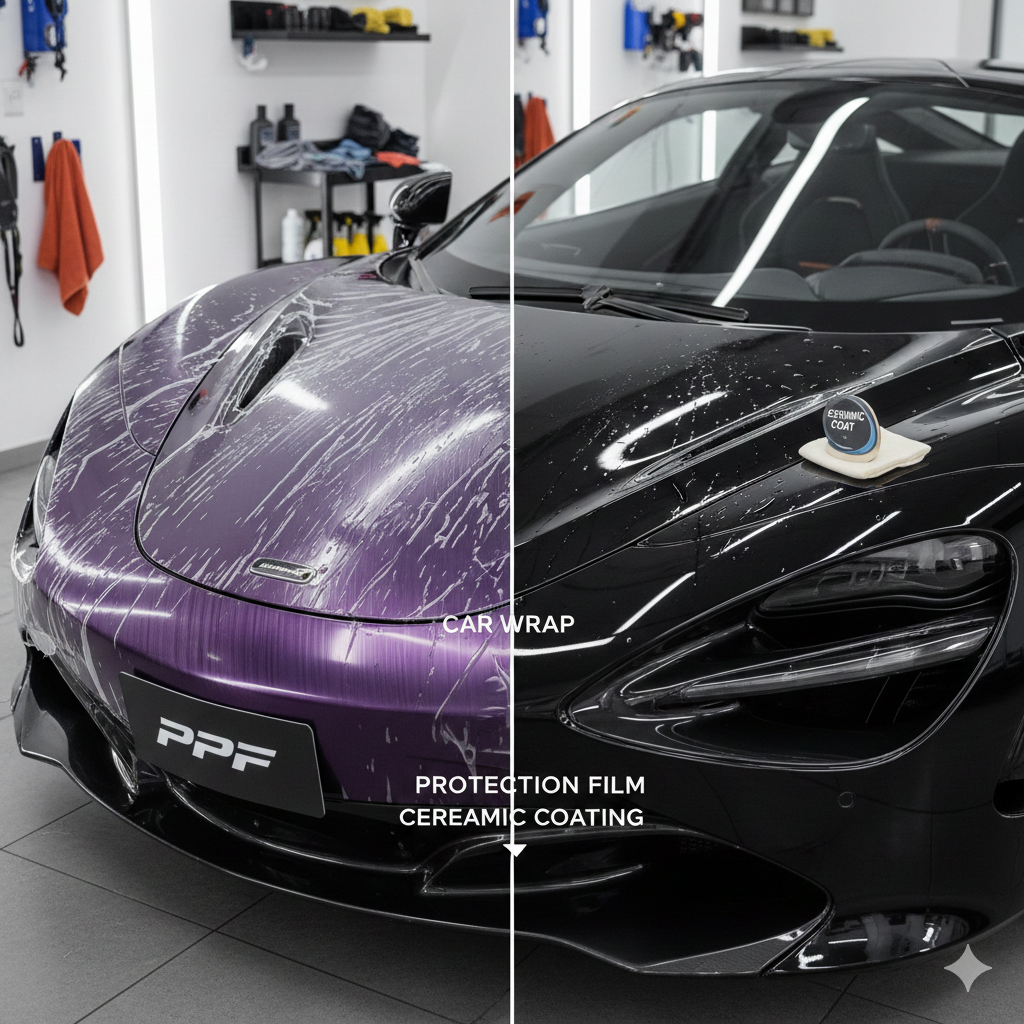
You want your car’s finish to stay flawless without constant worry about chips, scratches, or UV damage. Paint protection film (PPF) gives you that defense: a transparent, durable layer that absorbs impacts, self-heals minor swirl marks, and preserves glossy clarity so your paint lasts longer and holds value.
If you want reliable, long-term protection that actually prevents rock chips and light abrasions while maintaining a showroom look, PPF is the most effective choice for most drivers. This article Paint Protection Film for Cars explains the real benefits you’ll get and how professional installation ensures the film fits and performs correctly, so you can decide whether DIY or pro service matches your needs.
Benefits of Automotive Paint Films
A paint protection film creates a thin, transparent barrier that preserves your vehicle’s finish, resists minor impacts, and reduces long-term paint degradation. These benefits translate into fewer visible blemishes, lower repair bills, and easier maintenance for your daily-driven or showroom vehicle.
Shielding Against Scratches and Chips
Paint protection film (PPF) absorbs the energy from small impacts that would otherwise nick or chip your clearcoat. The polyurethane layer is several mils thick and bends instead of cracking, so gravel, road debris, and shopping-cart scuffs are far less likely to reach the paint beneath.
Many modern films include a self-healing topcoat that smooths out fine scratches with heat from the sun or an engine bay. That means swirl marks from cloths or keys often disappear without polishing. You still need to avoid deep gouges and sharp-contact incidents, since very aggressive impacts can penetrate even high-quality film.
Installation quality matters: factory-cut, edge-wrapped installs reduce lift and dirt traps. Expect better protection on high-impact areas—front bumper, hood, fenders, side mirrors—where chips concentrate.
Protection From Environmental Damage
PPF blocks UV radiation and chemical etching that dulls paint and breaks down clearcoat over time. Long exposure to sunlight causes oxidation and color fade; the film’s UV inhibitors slow this process, keeping your finish brighter for years.
It also resists bird droppings, bug acids, tree sap, and road salts that can stain or etch paint if left untreated. The film’s non-porous surface makes these contaminants easier to remove with routine washing, reducing need for aggressive solvents or frequent clay-bar treatments.
Be aware that film can age; high-quality products carry warranties against yellowing and staining, but storage and climate affect longevity. Regular washing and following installer care instructions extend the protective benefits.
Maintaining Resale Value
A well-preserved exterior directly affects buyer perception and resale pricing. Cars with intact, original paint command higher offers because buyers avoid uncertainty about past repairs or hidden corrosion.
PPF keeps visible panels in near-original condition, which simplifies pre-sale detailing and reduces the need for repainting or expensive touch-ups. Documented installation and warranty paperwork provide proof of proactive care and can be a negotiation advantage.
If you eventually remove the film, you often find the underlying paint in better condition than adjacent unprotected areas. That preservation can reduce depreciation and help you recoup part of the PPF investment when you sell.
How Paint Films Are Installed
You’ll see controlled prep, precise film layout, and careful finishing steps. Expect wet-squeegee application, heat shaping, and a curing period with specific aftercare actions.
Professional Application Process
A professional starts by washing and decontaminating your vehicle using pH-neutral soap and clay bar or iron-removal to remove bonded particles. They then mask adjacent trim and remove fasteners or trim pieces as needed so the film can wrap edges without lifting.
Installers use pre-cut templates or plotter-cut patterns matched to your vehicle model. They spray a slip solution (typically water with mild soap and a tack aid) on the paint and the adhesive side of the film, position the film, then use a felt-edged squeegee to expel fluid and air from the center outward. For compound curves, technicians apply heat with a heat gun to relax the film, then stretch and tuck it into seams. Edges get an adhesive promoter where required. Final inspection includes checking for trapped debris, lift points, and uniform edge seal.
Curing and Aftercare Instructions
Curing takes 24–72 hours for initial set and up to 30 days for adhesives to fully bond. Keep your vehicle dry and avoid car washes for at least 48 hours; hand washing with gentle pressure is safe after that period.
Avoid abrasive polishes and automatic brushes for two weeks. If you see small surface haze or micro-bubbles, they often dissipate within 14 days; persistent bubbles usually indicate trapped contamination and may need professional correction. Use pH-neutral shampoo and a soft microfiber mitt for cleaning. If edges begin to lift, contact your installer promptly—early re-bonding prevents dirt ingress and larger failures.