

Ottawa Excavating: Expert Site Preparation and Residential Excavation Services

You need dependable excavation in Ottawa that matches your project scope, budget, and local regulations. Choose a contractor who understands site preparation, grading, permits and utility coordination so your driveway, foundation or drainage work proceeds on schedule and without costly surprises.

This post Ottawa Excavating walks through what matters most for Ottawa excavating—clearing and prepping land, trenching for utilities, and managing permits and inspections—so you know what to expect and can make informed choices for your property. Expect practical tips on choosing equipment, avoiding common pitfalls, and coordinating with local crews to keep your project on track.

Site Preparation and Land Clearing

You need accurate soil data, a stable grade, and safe removal of trees and debris to start construction without delays. Permits, erosion controls, and access for heavy equipment also matter.

Assessing Soil Conditions

You must begin with a soil investigation that includes boreholes or test pits at planned foundation locations and along utility trenches. Look for clay layers, high groundwater, organic peat, and frost-susceptible silts—each affects bearing capacity and drainage differently.

Request a geotechnical report that lists Standard Penetration Test (SPT) results, laboratory grain-size and Atterberg limits, and recommended allowable bearing pressures. Use that report to decide on excavation depth, need for engineered fill, and whether dewatering or sub-excavation is required.

Document soil corrosivity and sulphate content if you’ll install buried concrete or metal utilities. Plan erosion and sediment control (silt fence, sediment traps) for exposed soils during wet seasons to meet municipal requirements.

Grading and Leveling Methods

Define finished grades from your site plan, then set control elevations at corners and major slope breaks. Use a laser level or GPS machine control to achieve ±10–25 mm tolerance for building pads and driveways, depending on project specs.

Choose cut-and-fill balancing to minimize imported fill. When importing material, verify compaction specs (typically 95% Standard Proctor) and gradation. For slopes, apply benching or terracing and install geotextile where needed to prevent migration of fine soils.

Specify subgrade compaction passes, proof-rolling with a loaded dump truck, and proctor-density testing locations. Provide positive surface drainage: minimum 2% slope away from foundations for the first 3 m and routed to designated storm management areas.

Tree and Debris Removal

Start by marking trees to protect, preserve, or remove according to your landscape plan and municipal bylaws. Obtain any required tree-cutting permits and coordinate conservation authority restrictions before felling.

Use stump grinding for small to medium trees and full extraction with root-ball removal for sites that need clean subgrade. Chip branches and stockpile or haul off debris; separate recyclable wood where possible to reduce landfill costs.

Manage erosion and soil disturbance when operating near retained trees—install tree protection zones and limit trenching within root zones. Keep a clear record of removed specimens and disposal manifests in case of permit audits.

Trenching and Utility Installation

You’ll need precise trench dimensions, safe excavation methods, and correct material backfill to protect pipes, cables, and future landscaping. Focus on permit compliance, locating existing utilities, and hiring experienced operators with appropriate equipment.

Water and Sewer Line Excavation

You must verify depth and slope requirements before digging; typical water lines sit 1–1.5 m deep in Ottawa to prevent freezing, while sewer mains require consistent fall (commonly 1–2% slope) for gravity flow. Call local utility-locating services to mark gas, telecom, and other buried lines; unmarked strikes risk service disruptions and fines.

Use shoring or trench boxes when trenches exceed 1.2–1.5 m or when soil conditions are unstable to protect workers. Excavate with machines sized for narrow, controlled trenches—mini-excavators for yards, larger track machines for long runs. Bedding material (washed sand or 3/4″ crushed stone) should be placed and compacted beneath pipes to prevent point loads and maintain alignment.

Pressure-test potable lines and CCTV-inspect sewers before backfill. Keep as-built depth and offset records for future maintenance.

Electrical and Communication Trenches

You must segregate electrical and communication conduits from water and gas to meet code and reduce interference. Typical spacing: electrical lines often require a minimum separation (check Ontario Electrical Safety Code) and should follow conduit depth rules—commonly 0.6–0.9 m for low-voltage and deeper for high-voltage or where surface loads exist.

Install continuous conduit runs with pull boxes at turns and junctions to simplify future cable replacement. Use warning tape or detectable warning mesh 150–300 mm above conduits to prevent accidental strikes during later excavations. For long runs, stage spoil away from edges and maintain safe egress intervals for workers.

Label conduit runs and update site plans. Coordinate with telecom providers for fiber-specific handling and bending-radius protection.

Backfilling Techniques

You must backfill in controlled lifts to prevent settlement and protect utilities. Use clean fill or specified backfill material free of large rocks and organic material; place material in 150–300 mm lifts and compact each lift to 95% Standard Proctor where structural support or pavement will follow.

For sensitive pipes, use a pea gravel or sand zone up to 150 mm above the pipe, then transition to engineered fill. Avoid heavy compaction adjacent to flexible pipes—use hand tamping or low-impact plate compactors within 300 mm of the utility to prevent deformation.

Document compaction tests for municipal acceptance when connecting to public mains. Restore surface layers—topsoil, sod, or pavement—according to project specifications and ensure proper final grading for drainage.

 

Paint Protection Film for Cars: Ultimate Guide to Durability and Professional Installation

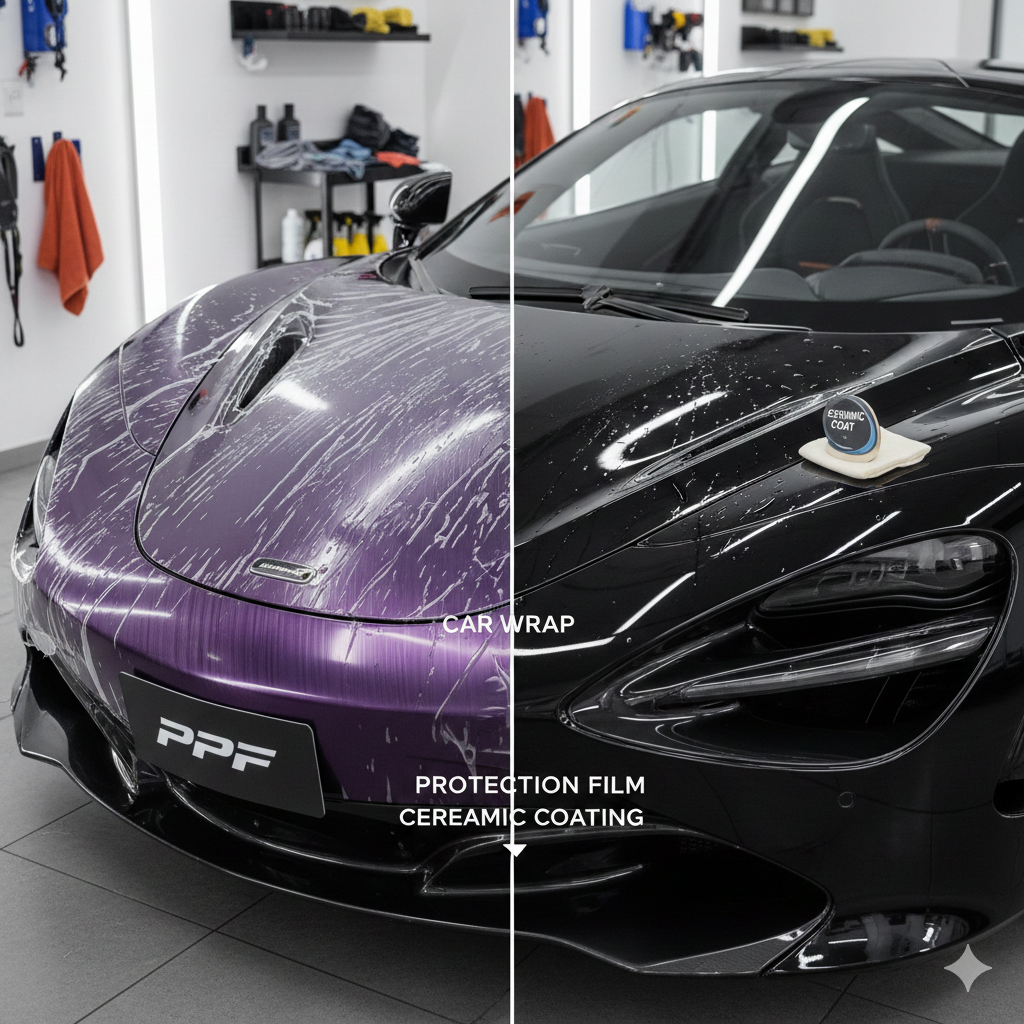
You want your car’s finish to stay flawless without constant worry about chips, scratches, or UV damage. Paint protection film (PPF) gives you that defense: a transparent, durable layer that absorbs impacts, self-heals minor swirl marks, and preserves glossy clarity so your paint lasts longer and holds value.

If you want reliable, long-term protection that actually prevents rock chips and light abrasions while maintaining a showroom look, PPF is the most effective choice for most drivers. This article Paint Protection Film for Cars explains the real benefits you’ll get and how professional installation ensures the film fits and performs correctly, so you can decide whether DIY or pro service matches your needs.

Benefits of Automotive Paint Films

A paint protection film creates a thin, transparent barrier that preserves your vehicle’s finish, resists minor impacts, and reduces long-term paint degradation. These benefits translate into fewer visible blemishes, lower repair bills, and easier maintenance for your daily-driven or showroom vehicle.

Shielding Against Scratches and Chips

Paint protection film (PPF) absorbs the energy from small impacts that would otherwise nick or chip your clearcoat. The polyurethane layer is several mils thick and bends instead of cracking, so gravel, road debris, and shopping-cart scuffs are far less likely to reach the paint beneath.

Many modern films include a self-healing topcoat that smooths out fine scratches with heat from the sun or an engine bay. That means swirl marks from cloths or keys often disappear without polishing. You still need to avoid deep gouges and sharp-contact incidents, since very aggressive impacts can penetrate even high-quality film.

Installation quality matters: factory-cut, edge-wrapped installs reduce lift and dirt traps. Expect better protection on high-impact areas—front bumper, hood, fenders, side mirrors—where chips concentrate.

Protection From Environmental Damage

PPF blocks UV radiation and chemical etching that dulls paint and breaks down clearcoat over time. Long exposure to sunlight causes oxidation and color fade; the film’s UV inhibitors slow this process, keeping your finish brighter for years.

It also resists bird droppings, bug acids, tree sap, and road salts that can stain or etch paint if left untreated. The film’s non-porous surface makes these contaminants easier to remove with routine washing, reducing need for aggressive solvents or frequent clay-bar treatments.

Be aware that film can age; high-quality products carry warranties against yellowing and staining, but storage and climate affect longevity. Regular washing and following installer care instructions extend the protective benefits.

Maintaining Resale Value

A well-preserved exterior directly affects buyer perception and resale pricing. Cars with intact, original paint command higher offers because buyers avoid uncertainty about past repairs or hidden corrosion.

PPF keeps visible panels in near-original condition, which simplifies pre-sale detailing and reduces the need for repainting or expensive touch-ups. Documented installation and warranty paperwork provide proof of proactive care and can be a negotiation advantage.

If you eventually remove the film, you often find the underlying paint in better condition than adjacent unprotected areas. That preservation can reduce depreciation and help you recoup part of the PPF investment when you sell.

How Paint Films Are Installed

You’ll see controlled prep, precise film layout, and careful finishing steps. Expect wet-squeegee application, heat shaping, and a curing period with specific aftercare actions.

Professional Application Process

A professional starts by washing and decontaminating your vehicle using pH-neutral soap and clay bar or iron-removal to remove bonded particles. They then mask adjacent trim and remove fasteners or trim pieces as needed so the film can wrap edges without lifting.

Installers use pre-cut templates or plotter-cut patterns matched to your vehicle model. They spray a slip solution (typically water with mild soap and a tack aid) on the paint and the adhesive side of the film, position the film, then use a felt-edged squeegee to expel fluid and air from the center outward. For compound curves, technicians apply heat with a heat gun to relax the film, then stretch and tuck it into seams. Edges get an adhesive promoter where required. Final inspection includes checking for trapped debris, lift points, and uniform edge seal.

Curing and Aftercare Instructions

Curing takes 24–72 hours for initial set and up to 30 days for adhesives to fully bond. Keep your vehicle dry and avoid car washes for at least 48 hours; hand washing with gentle pressure is safe after that period.

Avoid abrasive polishes and automatic brushes for two weeks. If you see small surface haze or micro-bubbles, they often dissipate within 14 days; persistent bubbles usually indicate trapped contamination and may need professional correction. Use pH-neutral shampoo and a soft microfiber mitt for cleaning. If edges begin to lift, contact your installer promptly—early re-bonding prevents dirt ingress and larger failures.


Private Spine Surgery Canada: Expert Options, Costs, and How to Choose

If you’re facing months-long waits or unclear timelines through the public system, private spine surgery in Canada can speed access to experienced surgeons and modern techniques. You can often book consultations, diagnostic tests, and surgeries faster in private clinics, with options ranging from minimally invasive discectomy to fusion or motion-preserving procedures depending on your condition.

This article Private Spine Surgery Canada explains what private spine care covers, who typically qualifies, and what to expect from assessment to recovery, so you can weigh faster access against costs and other considerations. You’ll learn how private pathways work, which procedures are commonly offered, and practical steps to decide whether private care fits your needs.

Types of Spine Procedures Available Privately

Private spine care in Canada gives you access to faster scheduling, choice of surgeon, and a range of techniques from small-incision repairs to more complex stabilizations. Expect options that target nerve compression, structural instability, and chronic disc problems using modern implants and imaging-guided approaches.

Minimally Invasive Spine Surgery Options

Minimally invasive spine surgery (MISS) uses small incisions, tubular retractors, and muscle-sparing approaches to treat herniated discs, foraminal stenosis, and selected degenerative conditions. You typically experience less blood loss, shorter hospital stays, and quicker return to activity compared with open surgery.

Common MISS procedures offered privately include microdiscectomy for lumbar disc herniation, endoscopic discectomy (arthroscopic-style) for focal nerve compression, and minimally invasive laminectomy for central stenosis. Surgeons may use intraoperative fluoroscopy or navigation to place instruments precisely through 1–3 cm incisions. If you qualify, talk to the surgeon about outpatient or 24-hour-stay pathways and the likelihood of rapid pain reduction.

Advanced Spinal Decompression Treatments

Advanced decompression focuses on relieving pressure on nerves and the spinal cord using targeted techniques. You should expect decompression for lumbar spinal stenosis, recurrent disc herniation, and cervical radiculopathy with procedures chosen to match your MRI and symptoms.

Options include open laminectomy, microscope-assisted decompression, and motion-preserving techniques such as laminoplasty (cervical) or partial facetectomy. Some private centres offer balloon kyphoplasty for painful vertebral compression fractures to restore height and reduce pain. Ask about adjuncts like neuro-monitoring, intraoperative CT, or O-arm imaging that increase safety when nerve roots or the cord are at risk.

Private Spinal Fusion Techniques

Spinal fusion eliminates abnormal motion between vertebrae using bone grafts and instrumentation. Private programs commonly perform single- and multilevel fusions for spondylolisthesis, instability after trauma, and advanced degenerative disease.

Techniques you’ll encounter include:

  • Posterior lumbar fusion (PLF/PLIF/TLIF): posterior approach with pedicle screws and interbody cages for stability and disc height restoration.
  • Anterior lumbar interbody fusion (ALIF): anterior approach for better disc access and larger cages.
  • Minimally invasive fusion (MIS-TLIF): combines fusion benefits with smaller incisions.

Surgeons discuss graft choices (autograft, allograft, or synthetic) and implant materials (titanium, PEEK). Expect preoperative planning with CT-based templating and postoperative protocols for activity progression and bone-healing surveillance.

Eligibility, Process, and Considerations

You will need to know who qualifies for private spine surgery, how referrals and consultations work, and what costs or insurance rules you must navigate before booking care.

Patient Selection Criteria in Private Clinics

Private clinics often accept patients whose conditions fit clear surgical indications: symptomatic herniated disc causing persistent radicular pain, neurogenic claudication from lumbar stenosis, or progressive myelopathy. You may be screened out if conservative care (physiotherapy, injections, meds) has not been adequately tried for the recommended timeframe or if your imaging does not match your symptoms.

Comorbidities matter. Clinics typically evaluate cardiovascular risk, uncontrolled diabetes, active infection, and severe obesity because they change perioperative risk and may require optimization before surgery. Age alone is rarely an exclusion, but functional status and frailty scores influence candidacy.

You should expect preoperative testing: recent MRI/CT, plain X‑rays, blood work, and an anesthetic assessment. Some clinics require documentation of prior conservative measures and a referral or imaging report from your family doctor or a specialist.

Referral Pathways and Consultation Steps

You can self-refer to many private spine clinics, but some require a formal referral from a family physician or a specialist neurosurgeon/orthopaedic spine surgeon. Check the clinic’s intake policy before contacting them to avoid delays.

Initial steps usually include submitting medical records and imaging, a telephone or online intake, and a face‑to‑face or virtual surgical consultation. During consultation, the surgeon reviews your history, examines you, correlates imaging findings, and outlines operative and non‑operative options with risks and expected recovery timelines.

If you proceed, the clinic provides a written surgical plan, consent forms, and a proposed timeline. Pre‑op clearance and booking follow, often coordinated by a nurse navigator who handles scheduling, pre‑admission testing, and postoperative follow‑up arrangements.

Costs, Financing, and Insurance Aspects

Private spine surgery in Canada commonly ranges from roughly CAD 15,000 to CAD 50,000 depending on procedure complexity, facility fees, surgeon and anesthetist charges, and length of stay. Obtain a written estimate that itemizes surgeon fees, OR time, implants, imaging, and postoperative care.

Provincial health plans generally do not cover private surgical fees; however, some elements (surgeon billing if the surgeon bills the provincial plan, or insured anesthesiology in certain arrangements) can differ by province and clinic. Confirm what, if anything, your provincial plan or supplemental private insurance will reimburse.

Explore financing options: payment plans through the clinic, third‑party medical loans, or use of health spending accounts. Ask for an itemized invoice and a clear refund/cancellation policy before signing consent so you know the financial and logistical commitments.


Luxury Home Renovations Toronto: Expert Design and High-End Remodel Strategies

You want a luxury home renovation in Toronto that balances timeless design, top-tier materials, and smart systems so your space looks exceptional and functions flawlessly. A thoughtful luxury renovation starts with clear priorities—architecture that respects the home’s character, structural and systems upgrades that last, and premium finishes that elevate daily life.

As you explore upscale options, expect a process that blends architectural planning, bespoke millwork, and meticulous craftsmanship to create cohesive rooms that feel both elegant and livable. This article Luxury Home Renovations Toronto breaks down the essential elements and finishing touches that help you make confident choices and get the high-end result you envision.

Essential Elements of Upscale Home Upgrades

Focus on durable materials, thoughtful layout, and systems that enhance daily life and resale value. Prioritize performance, aesthetics, and coordination with Toronto permitting and building constraints.

High-End Kitchen Remodels

You should design the kitchen around workflow zones: cooking, prep, cleaning, and storage. Choose appliances that match your lifestyle—professional-grade ranges or integrated columns—and plan clear sightlines so the cook remains part of social spaces.

Select finishes that balance beauty and wear resistance. Think quartz or honed marble countertops, large-format porcelain backsplashes, and hardwood or high-performance tile flooring. Specify hardware and fixtures in solid brass or stainless steel for longevity.

Invest in layout and infrastructure: a 36–42 inch island with integrated power and a prep sink, a 30–36 inch walk-in pantry or appliance garage, and 3-phase or upgraded electrical for heavy appliances. Include ventilation rated to the range’s output and underfloor or upgraded HVAC adjustments if you open walls.

Consider smart integration: built-in refrigeration monitoring, app-controlled lighting scenes, and concealed charging drawers. These choices increase daily comfort and help protect value in Toronto’s competitive market.

Luxury Bathroom Transformations

Start with clear priorities: accessibility, steam/soak experience, or a spa-like retreat. Allocate space for a freestanding tub, a large curbless shower with multiple showerheads, and a double vanity with ample counter and drawer storage if your plan allows.

Specify durable wet-zone materials and waterproofing systems. Use linear drains, large-format porcelain or natural stone tile, and waterproof backing boards to minimize maintenance and avoid moisture failures. Choose low-profile, high-flow valves and thermostatic controls for consistent temperature.

Plumb for comfort: in-floor radiant heating, a dedicated exhaust fan with humidity control, and separate circuits for heated floors and towel warmers. Add engineered lighting layers—task, ambient, and accent—with dimming and humidity-rated fixtures.

Select fixtures and finishes that read upscale but are serviceable: wall-hung toilets with concealed tanks, matte or polished metal finishes resistant to pitting, and anti-fingerprint coatings where appropriate.

Custom Millwork and Architectural Detailing

Custom millwork defines how your spaces feel and function. Commission full-height built-ins, engineered paneling, and coffered ceilings that conceal systems and create clean sightlines. Specify kiln-dried hardwood or veneered plywood for stability in Toronto’s humidity swings.

Detail joinery and hardware for longevity. Use dovetail or drawer-slide systems rated for heavy use, soft-close hinges, and concealed fasteners. Provide accessible service panels behind millwork for mechanical and electrical maintenance.

Coordinate finishes and proportions with sightlines and door swings. Create transition details—baseboard profiles, jamb returns, and threshold treatments—that resolve edge conditions cleanly. Use a finish schedule that lists species, stain, sealer, and maintenance notes so contractors replicate the look consistently.

Premium Design and Finishing Touches

Focus on materials that age well and details that elevate daily life: durable stone and engineered woods, bespoke millwork, and smart systems that hide behind clean lines. These choices shape visual impact, maintenance, and long‑term value.

Exclusive Material Selection

Choose materials that balance luxury with performance. For kitchens and bathrooms, prefer full‑bed porcelain or natural stone countertops (e.g., honed Calacatta or leathered granite) paired with a high‑density plywood cabinet core and soft‑close Blum hardware to avoid sagging and noise over time. Specify moisture‑resistant engineered hardwood or large‑format porcelain tile for high‑traffic zones to reduce warping and grout maintenance.

Prioritize finishes that coordinate across spaces. Match metal finishes—brushed nickel, matte black, or satin brass—on plumbing, lighting, and cabinet hardware to create cohesion. Ask your contractor for samples and a mockup wall to confirm color and texture under your home’s light.

Consider sustainability and warranty. Look for CARB‑compliant plywood, low‑VOC paints, and manufacturer warranties on appliances and fixtures. These reduce long‑term costs and preserve indoor air quality.

Smart Home Technology Integration

Integrate smart systems that simplify daily routines without disrupting design. Specify a central smart hub compatible with Z‑Wave or Matter to unify lighting, security, climate, and shades. Choose key control points: a recessed keypad by the entry, a dedicated tablet in the kitchen, and app access for remote control.

Plan wiring and concealed mounting during renovation. Run CAT6/PoE and HDMI over conduit to future‑proof AV, and locate in‑wall speakers and motorized shade pockets before finishing. Use wireless sensors for easy retrofits but hardwire cameras and alarm panels for reliability.

Select user‑centric automations. Program scenes—“Morning” raises shades and starts boiler; “Away” arms security and reduces HVAC. Prioritize interoperability and local control options to avoid single‑vendor lock‑in and ensure the system remains functional if cloud services change.


Invisalign Cost: What to Expect and How to Budget for Treatment

Thinking about Invisalign cost? Expect a typical range roughly between $2,000 and $8,000 in Canada, with most cases clustering around $3,000–$6,800 depending on treatment complexity, location, and provider. You’ll find lower prices for short or minor corrections and higher prices for full treatment or complex cases, so knowing your goals helps you estimate your out‑of‑pocket cost quickly.

This article breaks down the main factors that influence pricing—treatment length, complexity, provider type, and regional differences—and compares Invisalign to alternatives so you can judge long‑term value. By the end you’ll know how to use insurance, financing, and HSA options to lower your cost and which questions to ask your clinician to get a clear, realistic quote.

Main Factors Influencing Invisalign Pricing

Key drivers of cost include who treats you, how complex your tooth movement needs are, and whether insurance or other payment help reduces your out‑of‑pocket amount. Each factor can change the total by hundreds or several thousand dollars.

Provider Fees

Provider fees vary by clinician experience, geographic location, and practice overhead. An experienced orthodontist usually charges more than a general dentist because of specialized training and case-management expertise. Urban clinics and high-rent regions also set higher prices to cover operating costs.

Ask providers for an itemized estimate showing consultation, aligner sets, refinement trays, attachments, and retention (retainers). Request examples of similar cases they’ve treated and the average number of aligners used. Compare at least three providers to see how fees differ for essentially the same treatment plan.

Treatment Complexity

Complexity determines treatment length, number of aligners, and need for additional procedures. Simple cosmetic adjustments can finish in a few months with a small aligner count; moderate crowding or spacing increases duration and aligner sets. Severe bite corrections, extractions, or surgical cases require more appointments and adjunctive appliances, raising cost.

Providers calculate price based on the estimated number of aligners and expected refinements. Expect higher costs when your case needs midcourse corrections, elastics, attachments, or interproximal reduction (IPR). Ask for the projected aligner count and a contingency plan if refinements become necessary.

Insurance Coverage

Insurance plans vary widely in orthodontic benefits and often cap coverage or exclude adult treatments. Some dental plans cover a percentage of orthodontic work or provide a fixed lifetime maximum; others cover only dependent children. Verify whether your plan lists Invisalign specifically or classifies it under general orthodontics.

Obtain preauthorization that states the covered amount and any deductibles. Factor in annual maximums, waiting periods, and whether coverage reduces as you reach plan caps. If insurance falls short, explore HSAs/FSAs, in‑office payment plans, or third‑party financing to lower monthly expenses.

Comparison to Alternatives and Long-Term Value

You’ll weigh upfront price, treatment time, and ongoing costs when choosing between Invisalign and other options. Consider how visibility, hygiene needs, and potential retreatment affect total cost over years.

Cost Versus Traditional Braces

Invisalign in Canada typically falls in a similar price band to traditional metal braces, often roughly $2,000–$8,000 depending on case complexity and location. Metal braces commonly range from about $2,500–$7,500; fixed appliances can be cheaper for simple cases but may rise with extra procedures like attachments or elastics.
Insurance can reduce either option; check annual orthodontic maximums and lifetime limits. Payment plans and in-office financing affect monthly outlay more than the sticker price.
If your case needs significant tooth movement or vertical control, traditional braces sometimes shorten active treatment time, which can lower total visits and adjunct costs. For mild-to-moderate alignment, Invisalign often matches or undercuts braces when you factor fewer emergency visits for broken brackets.

Maintenance and Aftercare Expenses

Removable aligners reduce special cleaning tools but require disciplined hygiene to avoid staining or decay. You’ll replace lost aligners at an extra cost—many offices charge for replacements or expedited shipping.
Retention matters: both options need retainers after treatment. Expect one or more sets; clear retainers cost less initially but may need more frequent replacement than a bonded wire. Annual check-ups to monitor retention can add modest recurring costs.
Account for possible refinements or relapse management. Refinements with additional trays or limited fixed treatment add to lifetime expense; durable outcomes depend on retainer compliance more than initial method.