

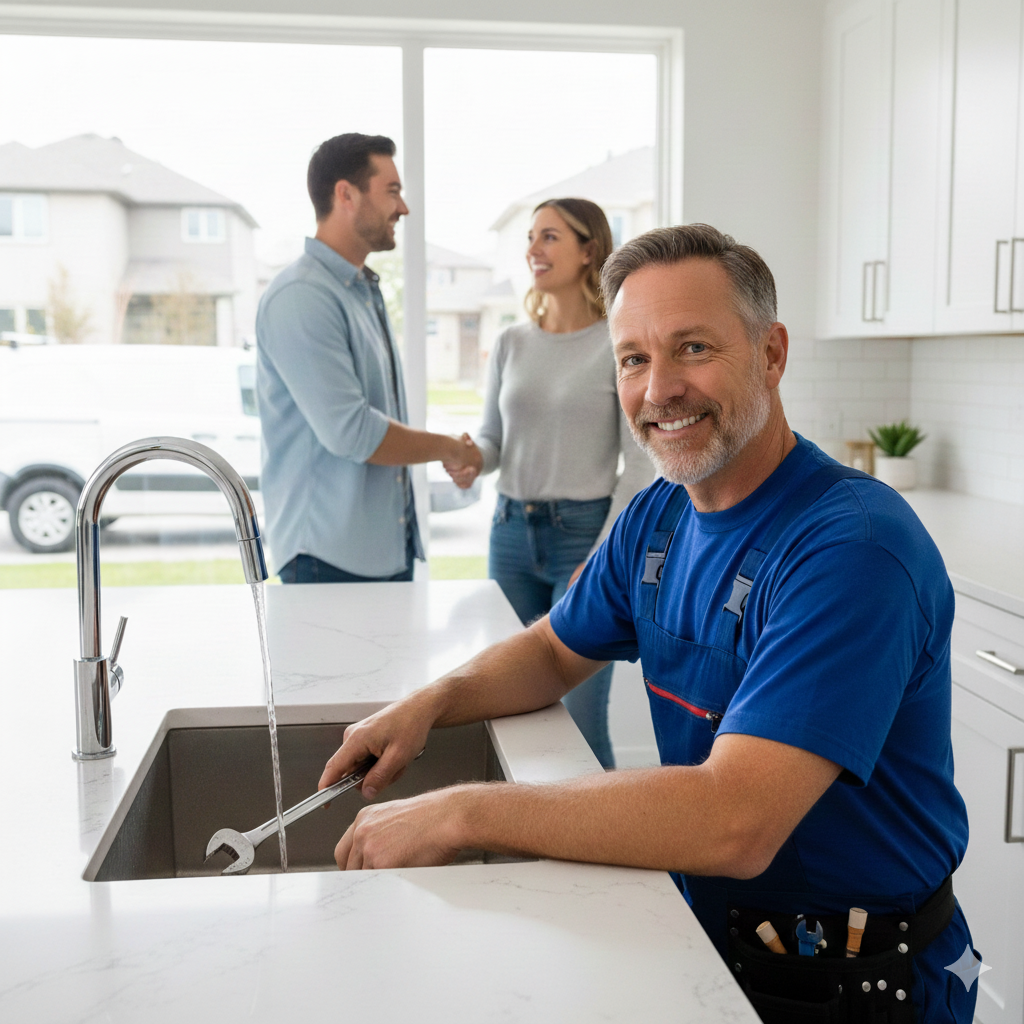

Plumbers Near Me: Fast, Licensed Local Service
Finding a trustworthy plumber near you shouldn’t feel like guessing. You can quickly locate qualified, local plumbers near-by checking verified reviews, service specialties (like emergency repairs or drain cleaning), and clear pricing up front, which saves time and prevents surprise costs.
If a leak or blocked drain demands attention, you’ll want a pro who responds fast and has the right tools and certifications. This article Plumbers Near Me shows how to pick reliable plumbing services, what common repairs actually involve, and the questions to ask so you get the right solution for your home.
Selecting Reliable Plumbing Services
You need plumbers who are licensed, well-reviewed, and provide transparent estimates. Focus on credentials, real customer feedback, and detailed written pricing to avoid surprises.
Identifying Licensed Professionals
Check for a valid license number and the issuing authority in your state or province. Call the licensing board online to confirm status, specialties, and any disciplinary history.
Ask for proof of insurance: general liability and workers’ compensation. Verify policy numbers with the insurer when possible to ensure coverage for property damage or injuries on your property.
Confirm certifications for specific systems you have, such as gas lines, backflow prevention, or tankless water heaters. Technicians with manufacturer certifications or trade-association memberships often follow stricter training and safety standards.
Request references for jobs similar to yours and note whether the company uses licensed journeymen or apprentices on-site. Written guarantees or warranties on parts and labor indicate a professional commitment you can enforce.
Evaluating Customer Reviews
Look for multiple reviews across platforms: Google, Yelp, Better Business Bureau, and local trade sites. Prioritize patterns over single comments—consistent praise or repeated complaints reveal reliable trends.
Focus on reviews mentioning punctuality, communication, cleanup, and whether estimates matched final billing. Specifics like “arrived within two hours” or “charged exactly the quoted amount” matter more than generic praise.
Watch for how the company responds to negative reviews. Professional, prompt responses that offer remediation suggest they value reputation and will address issues on your job.
Ask neighbors or local community groups for recommendations. Firsthand accounts about workmanship and follow-up service can identify reliable local technicians faster than anonymous ratings.
Comparing Pricing and Estimates
Request written estimates from at least three plumbers for the same scope of work. Ensure each estimate lists labor rates, parts, permits, disposal fees, and any conditions that could change the price.
Distinguish between flat-rate quotes and time-and-materials estimates. Flat-rate fits well for defined repairs; time-and-materials may be appropriate for diagnostic work but include hourly cap and itemized parts list.
Ask about service call fees, emergency surcharges, and overtime rates. Get the warranty terms in writing: length of coverage, what is covered, and whether the company will honor repairs by the same technician.
Use a simple comparison table to evaluate estimates:
| Item | Plumber A | Plumber B | Plumber C |
| Written estimate | Yes | Yes | Yes |
| Labor rate | $85/hr | $95/hr | $80/hr |
| Parts markup | 10% | 20% | 15% |
| Warranty (months) | 12 | 24 | 12 |
| Emergency fee | $75 | $100 | $50 |
Choose the bid that balances clear pricing, solid warranty, and documented credentials rather than simply the lowest price.
Understanding Common Plumbing Solutions
You can expect practical services that prevent problems, stop active leaks fast, and restore flow in slow or blocked drains. Each service targets specific causes and uses proven tools or techniques to deliver lasting results.
Routine Maintenance Services
Routine maintenance keeps fixtures and systems functioning and helps avoid emergency repairs. Typical services include fixture inspections, valve and faucet tightening, water heater checks, and testing for slow leaks under sinks and behind appliances.
A plumber will often perform a water pressure test, flush sediment from the water heater, and exercise shut-off valves so they operate when needed. They may also recommend replacing worn seals, shower cartridges, or corroded supply lines to prevent future leaking.
Many pros offer scheduled plans that include annual or biannual visits, prioritized dispatch, and discounts on parts. You should get a written checklist and estimates for any recommended replacements so you know what was inspected and why work is advised.
Emergency Leak Repairs
When you have an active leak, rapid containment matters to limit water damage and mold. Plumbers will first isolate the leak, shut off the appropriate supply lines, and use temporary clamps or plugs if a permanent repair requires parts or drying time.
Common permanent fixes include replacing damaged sections of copper, PEX, or PVC pipe, reseating or replacing valve assemblies, and swapping out failed fittings or hose connections. For slab leaks, expect pipe reroutes or spot repairs and diagnostic work such as electronic leak detection or thermal imaging.
Ask the plumber about moisture mitigation steps they will take, time to complete the repair, and whether they can coordinate with your insurance. Get clear pricing for emergency call-out fees, parts, and labor before work begins.
Drain Cleaning Methods
Drain problems range from hair and soap build-up to tree-root intrusions in sewer lines; the cleaning method depends on the cause. For localized clogs, plumbers commonly use motorized drain snakes (augers) or manual cable machines to cut and pull debris.
Hydro-jetting uses high-pressure water to remove grease, scale, and biofilm from pipes when mechanical snaking is insufficient. For persistent or recurring clogs, plumbers perform a camera inspection to identify collapsed piping, root intrusion, or misaligned joints before recommending repairs.
You should ask for a post-cleaning inspection and a preventive plan, such as strainers for sinks, enzyme treatments, or regular hydro-jetting schedules for older sewer lines. Request before-and-after camera footage when available to verify the work performed.