

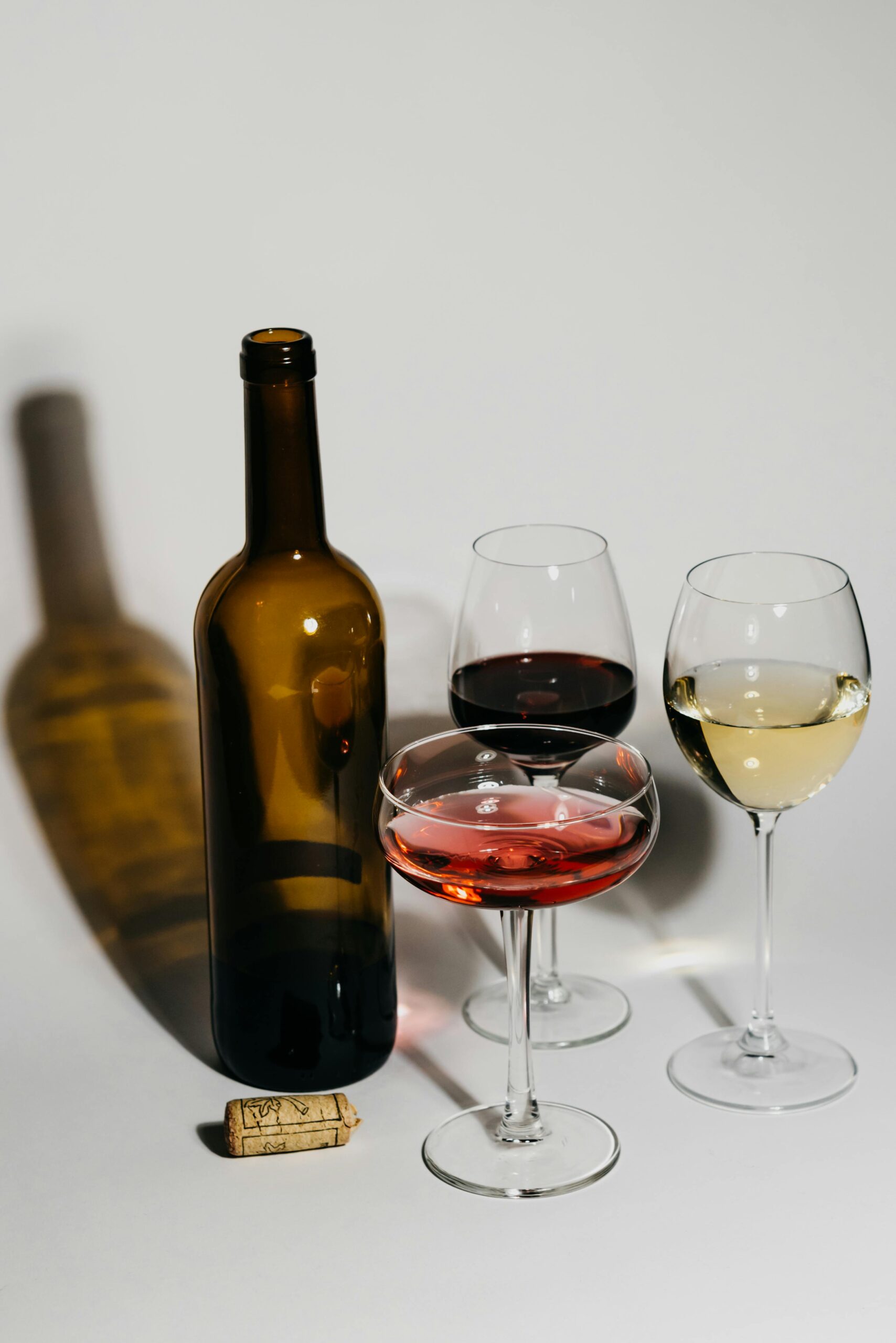

What Wine Should I Try If I’m a Complete Beginner? Best Starter Wines and How to Choose
If you want a simple answer: start with an easy-drinking, low-tannin red like Gamay or a light, citrusy white like Vinho Verde—both show clear fruit flavors without harshness and help you learn what you enjoy. Bold this sentence: Pick a light-bodied red (Gamay) or a crisp white (Vinho Verde or Sancerre) to begin—these styles are forgiving, flavorful, and reveal whether you prefer fruit-forward or bright, mineral-driven wines.
In post What wine should I try if I’m a complete beginner? You’ll learn more when you try a few distinct styles, so sample one approachable red, one crisp white, and a sparkling to compare textures and acidity. The next sections will explain what to expect from each style and give practical tips for tasting, pairing, and buying bottles that match your taste and budget.
Essential Wine Styles for First-Time Tasters
You’ll learn the basic differences between red, white, and rosé wines, how sweetness and dryness affect flavor, and why body matters when choosing a bottle. These factors will help you pick wines you’re likely to enjoy and make tasting less confusing.
Understanding Red, White, and Rosé Wines
Red wine uses black grape skins during fermentation, which gives tannins and darker fruit flavors like cherry, plum, and blackberry. Expect reds to range from light and fruity (Pinot Noir) to bold and tannic (Cabernet Sauvignon).
White wine is usually fermented without skins, producing brighter acidity and flavors such as apple, citrus, pear, and stone fruit. Styles range from crisp, unoaked Sauvignon Blanc to richer, oaky Chardonnay.
Rosé is made from limited skin contact with red grapes, so it combines red-fruit notes with the freshness of white wine. Rosés often show strawberry, watermelon, or citrus and sit between white and red in texture.
When choosing, note food pairings: reds suit grilled meats and tomato sauces, whites match seafood and creamy dishes, and rosé pairs well with salads and lighter fare.
Sweet vs. Dry Wines: Choosing Your Preference
“Sweet” means noticeable residual sugar; “dry” means little to no residual sugar. Examples: Moscato and late-harvest Riesling are noticeably sweet, while most Sauvignon Blancs and many Pinot Noirs are dry.
Sweet wines highlight fruit and can mask bitterness or high acidity, making them approachable if you like dessert or soda. Dry wines emphasize acidity, tannin, and minerality; they feel less sugary and more savory on the palate.
If you’re unsure, start with off-dry options (a slightly sweet Riesling or a semi-sweet rosé). Use a simple test: if you like apple juice or fruit-forward cocktails, try sweeter styles; if you prefer coffee, olives, or savory foods, try dry wines.
Light-Bodied vs. Full-Bodied Options
Body refers to perceived weight in your mouth — think texture and richness. Light-bodied wines (e.g., Pinot Grigio, Champagne, Pinot Noir) feel leaner, chill well, and are easy to sip.
Medium-bodied wines (e.g., Merlot, Grenache, some Chardonnays) balance fruit and structure; they work well with a wide range of foods. Full-bodied wines (e.g., Cabernet Sauvignon, Syrah, oaked Chardonnay) feel dense, with higher tannin or alcohol and richer flavors.
Start with light-bodied reds and whites to avoid overwhelm. If you enjoy richer foods or bold flavors, gradually sample medium and full-bodied bottles to identify what body level matches your palate.
Practical Tips for Your First Wine Experience
Start simple: focus on a few approachable styles, notice sweetness, acidity, and texture, and match bottles to what you eat and enjoy. Use small steps—look, swirl, sniff, sip—and you’ll learn quickly which flavors you prefer.
How to Taste Wine Like a Pro
Stand the glass against a white surface and note color intensity and hue; that gives clues about age and body. Swirl gently to release aromas, then take a short sniff to capture the primary scents—fruit, floral, or herbaceous.
Take a small sip and let it coat your tongue. Notice sweetness first, then acidity (sharpness), tannin (dryness or astringency), and finish (how long flavor lingers). Try describing one or two flavors, such as “red cherry” or “green apple,” rather than forcing complex notes.
Rinse with water between different wines. Write one sentence about each wine you taste—varietal, sweetness level, and whether you liked it—to track your preferences over time.
Pairing Wine With Everyday Meals
Match weight: light wines with light dishes, fuller wines with richer foods. For example, pair Sauvignon Blanc with goat cheese salad, Pinot Noir with roasted chicken, and Malbec with grilled steak.
Consider dominant flavors in the dish. If a sauce is lemony or acidic, choose a wine with moderate acidity. If the meal is sweet or spicy, a slightly off-dry Riesling or Gewürztraminer often balances heat and sugar.
Use a simple chart to help choose quickly:
- Light white: salads, seafood, soft cheeses
- Medium red/light-bodied: poultry, mushrooms, pork
- Full red: beef, lamb, aged cheeses
- Sparkling/dessert: fries, fried foods, fruit-based desserts
Navigating the Wine Aisle With Confidence
Start by locating familiar sections: white, rosé, red, sparkling. Read the label for grape variety, region, and alcohol by volume (ABV). Lower ABV (11–12.5%) often feels lighter; higher ABV (14%+) usually feels fuller.
Set a budget range before you shop. For good, approachable bottles, try $10–$20; look for varietals known for consistency—Pinot Grigio, Sauvignon Blanc, Pinot Noir, Merlot. Use store staff recommendations and readable ratings (one or two stars or medals) as quick filters, not absolute rules.
If you’re unsure, buy a single bottle from two different varietals to compare at home. Note producer and vintage on your list to repeat what you liked on future trips.