


Heating and Air Conditioning Langley: Expert Installation, Repair, and Maintenance Services
You need reliable heating and air conditioning in Langley that fits your home, budget, and local climate. Expect practical options for furnaces, heat pumps, air conditioners, and ductwork plus local installation and service that keeps systems efficient year-round.
This post Heating and Air Conditioning Langley walks through residential climate control solutions tailored to Langley homes and explains what maintenance and service excellence looks like so you spend less on repairs and more on comfort. Practical tips and local considerations will help you choose the right system and keep it running smoothly.
Residential Climate Control Solutions
Choose systems that match your home’s size, insulation, and budget. Focus on reliable temperature control, sensible energy use, and a clear installation timeline to avoid surprises.
System Types and Benefits
Split-system air conditioners and gas or electric furnaces remain common in Langley for predictable heating and cooling year-round. Split systems provide efficient cooling and can pair with a furnace or heat pump; they work well if you already have ductwork or can install minimal piping.
Heat pumps (air-source and cold-climate models) offer both heating and cooling in one unit and perform efficiently even in milder Fraser Valley winters. They reduce reliance on fossil fuels and often qualify for rebates.
Ductless mini-splits give room-by-room control and avoid duct losses. They suit older homes or additions where installing ducts is impractical.
Hybrid systems combine a heat pump with a gas furnace to optimize seasonal efficiency and comfort. Choose based on your priority: lowest operating cost (heat pump), fastest heat-up (furnace), or zoned comfort (mini-split).
Energy Efficiency Considerations
Look at SEER (cooling) and HSPF or COP (heat pump heating) ratings to compare efficiency across models. Higher ratings reduce running costs but raise upfront price; calculate payback using your typical winter and summer usage.
Assess your home’s envelope: add attic insulation, seal gaps, and upgrade windows where affordable. These measures lower required system capacity and improve comfort consistency.
Consider smart thermostats and zoning to cut energy use by 10–20% through schedule optimization and temperature setbacks. Check for provincial or utility rebates for high-efficiency heat pumps and furnace replacements before you buy.
Installation and Replacement Process
Start with a professional load calculation (Manual J) to size equipment correctly; undersized or oversized units short-cycle and wear prematurely. Request written estimates that list equipment model numbers, SEER/HSPF ratings, and warranty details.
During installation expect 1–3 days for most systems; ductwork or electrical upgrades add time. Verify refrigerant handling certification, proper refrigerant charge, and airflow balancing before final sign-off.
For replacements, confirm removal and disposal of the old unit, check for required permits, and obtain a commissioning report. Keep the equipment manual and warranty paperwork; schedule an annual tune-up to maintain efficiency and preserve warranty coverage.
Maintenance and Service Excellence
Regular maintenance keeps your system efficient, prolongs equipment life, and reduces emergency repairs. Focus on scheduled tune-ups and quick, practical troubleshooting so your heating and cooling work reliably through Langley’s seasons.
Seasonal Tune-Ups
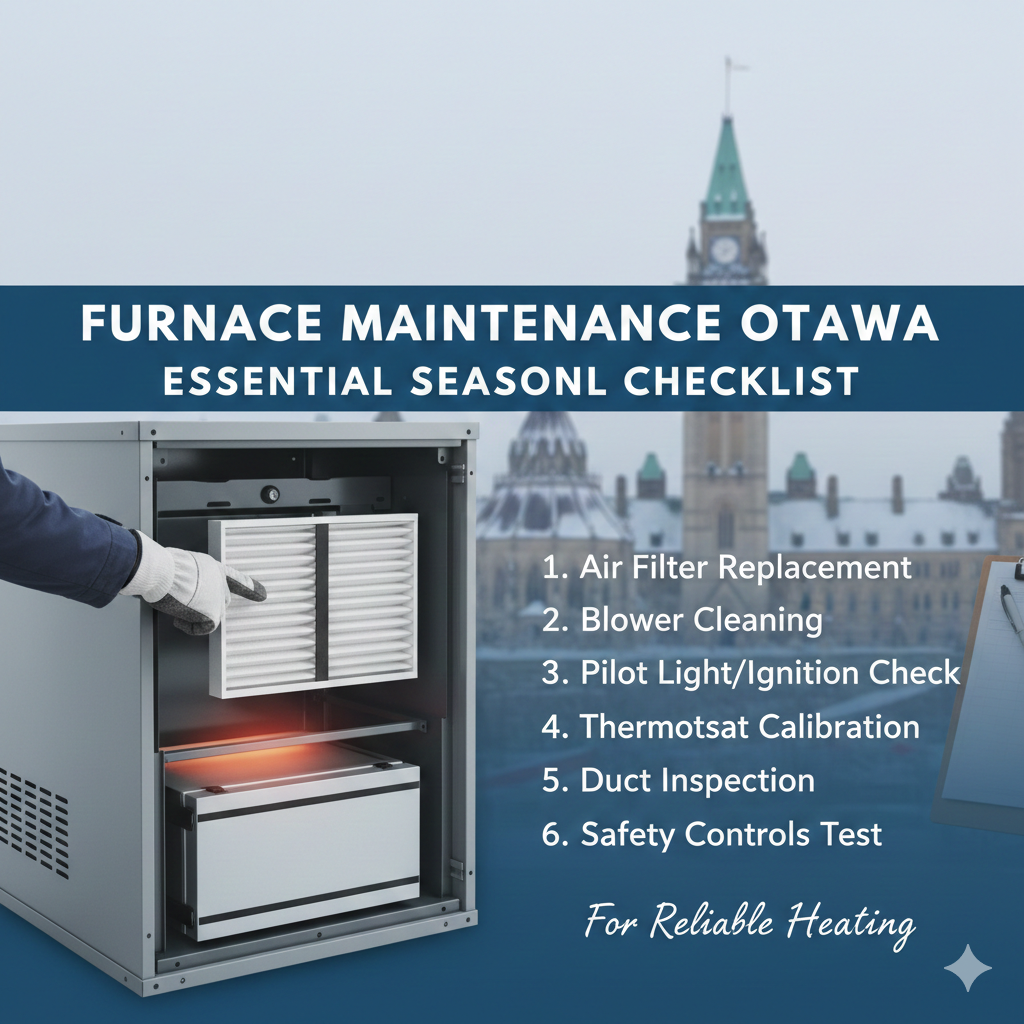
Schedule a spring AC tune-up and a fall heating inspection to catch wear before it becomes a breakdown. A proper tune-up includes cleaning/replacing filters, checking refrigerant levels, tightening electrical connections, lubricating motors, and verifying thermostat calibration.
Inspect and clear condensate drains and outdoor coils; Langley’s pollen and damp weather can clog lines and reduce efficiency. Ask your technician for a written checklist and date the next service. Certified contractors typically test system airflow, measure temperature splits, and record operating pressures so you have baseline data for future comparisons.
Consider signing a maintenance plan that bundles two visits per year, priority emergency service, and discounted parts. That plan often reduces long-term costs and keeps warranty conditions intact.
Troubleshooting Common Issues
When your HVAC underperforms, start with simple checks you can do: confirm the thermostat mode and batteries, inspect filters for dirt, and ensure vents aren’t blocked. These steps resolve many airflow and short-cycling complaints quickly.
If you hear unusual noises, note the type and timing—squeals often indicate belt or bearing wear; banging can mean loose panels or a failing compressor. For weak cooling, check refrigerant lines for ice or oily residue; low refrigerant usually requires a certified technician to locate and repair leaks.
Use this quick decision table to prioritize actions:
- No power to system: check breaker and thermostat batteries.
- System runs but no heat/cool: inspect filters and outdoor unit clearance.
- Frequent cycling: test thermostat placement and fan settings. Record dates and symptoms before calling a pro; clear documentation speeds diagnosis and reduces repeat visits.