


Building Integrated Solar: Practical Design Strategies for Modern Architecture
You can turn parts of your Building Integrated into power generators without sacrificing design. Building-integrated solar embeds photovoltaic materials into roofs, façades, windows, and shading devices so the structure itself produces electricity while serving its architectural and weatherproofing functions. This approach cuts energy bills, preserves aesthetics, and streamlines installation by making solar part of the building envelope rather than an add-on.
As you explore materials and systems—from solar shingles and semi-transparent glazing to façade panels and BIPV/T hybrids—you’ll see how different technologies suit new builds, retrofits, and commercial projects. The following sections break down the technical options and practical applications so you can weigh performance, cost, and design trade-offs for your project.
Technologies for Architectural Integration
In post Building Integrated Solar You’ll learn the specific photovoltaic materials, the common ways they replace or attach to building elements, and the practical design challenges plus recent innovations that help you integrate solar into buildings effectively.
Photovoltaic Materials and Types
You can choose from crystalline silicon, thin-film, and emerging perovskite or tandem cells depending on performance and appearance needs.
- Monocrystalline and polycrystalline silicon deliver the highest efficiencies (typically 15–22% for building applications) and work well where space is limited. They are usually framed modules or half-cell formats that reduce resistive losses.
- Thin-film (CIGS, CdTe, a-Si) offers more flexibility and lighter weight, plus better low-light performance. These fit curved façades or integrated roofing membranes where a low-profile finish matters.
- Perovskite and tandem cells are advancing rapidly; they promise higher efficiencies and tunable transparency but currently face durability and scale-up challenges.
You should consider color, transparency, and edge treatment for aesthetics. Bifacial cells raise energy yield when you can pair them with reflective surfaces or canopies.
Building Envelope Solutions
You’ll use BIPV as roof tiles, curtain wall glass, façade panels, and shading canopies to replace conventional materials.
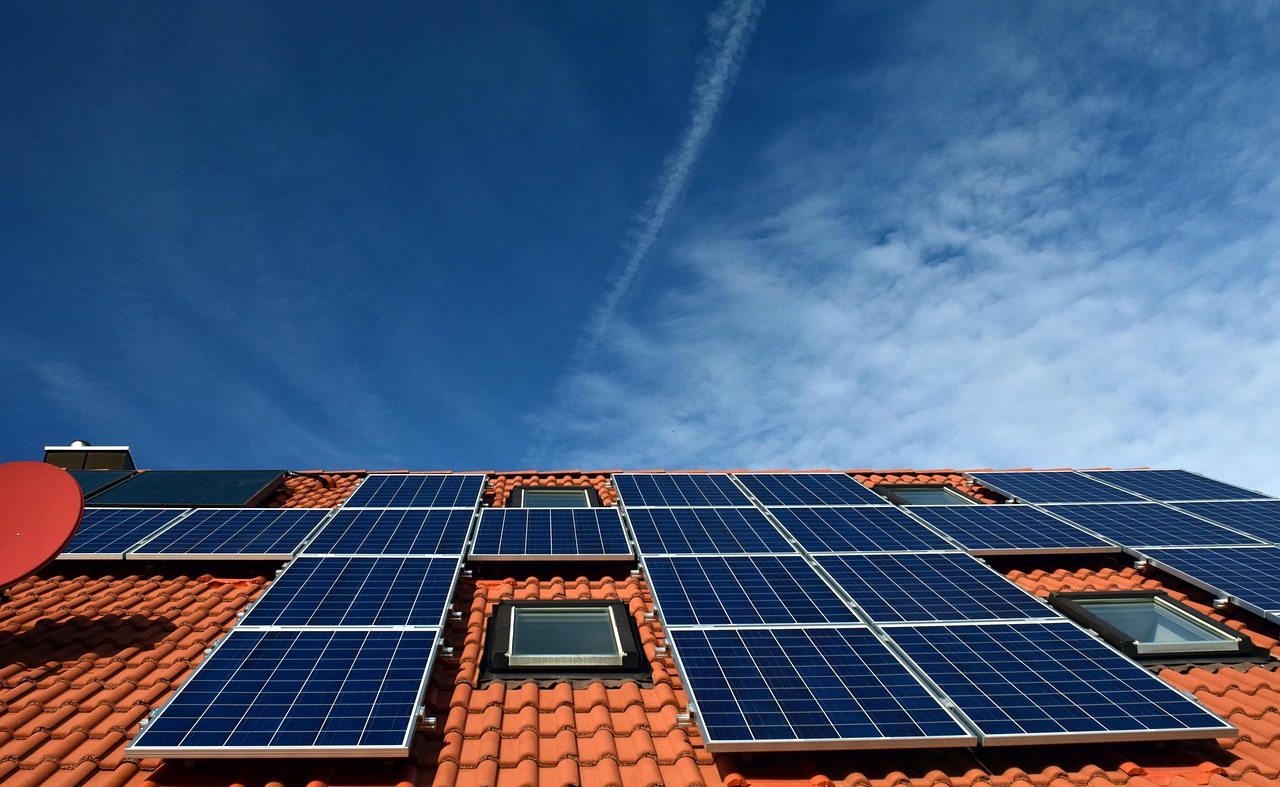
- Roof-integrated systems include solar shingles and tile replacements that maintain waterproofing while generating power. They often require specialized underlayment and flashing to meet building codes.
- Façade integration uses opaque or semi-transparent modules within curtain walls, spandrels, or ventilated rainscreens. Glazed BIPV units can be laminated into insulated glass units (IGUs) to provide thermal performance and daylighting control.
- Canopies and overhangs pair structural glazing or thin-film laminates with structural members to provide shading and generate energy for louvers, EV charging, or lighting.
Installation constraints—module weight, wind loads, fire ratings, and connection details—directly affect structural design and permitting.
Design Challenges and Innovations
You’ll face performance, regulatory, and aesthetic trade-offs that shape system selection and layout.
- Performance trade-offs include orientation and shading impacts; use bifacial modules, tracking, or integrated storage to recover lost yield. Thermal management matters—ventilated façades reduce cell temperature and preserve efficiency.
- Regulatory and certification issues often focus on fire resistance, structural loading, and electrical interconnection. Early coordination with code officials and using tested BIPV assemblies speeds approval.
- Aesthetic and manufacturing innovations include semi-transparent modules with patterned cell strings, colored encapsulants, and printed solar films that match façade rhythms. Standardized mounting interfaces and modular BIPV panels reduce custom detailing and shorten installation time.
You should plan for maintenance access, module replacement strategies, and electrical isolation features during design to maintain long-term performance.
Applications in Modern Construction
BIPV replaces or augments building elements with photovoltaic materials to produce electricity while preserving function and aesthetics. Expect impacts on cost, envelope performance, permitting, and maintenance when you choose integrated solar.
Residential Buildings
You can use solar roof tiles, solar façades, and semi-transparent PV windows to generate on-site power without traditional rack-mounted arrays. Solar roof tiles match conventional roofing materials and reduce visual impact; they work best on roof pitches between 15–45° and unshaded azimuths facing south, southeast, or southwest in the Northern Hemisphere.
Choose frameless or framed glass modules for canopy or skylight integration where daylight and PV must coexist; consider low-e coatings and selective glazing to balance solar gain and thermal comfort.
Budget and permitting matter: installation costs are higher than standard modules per watt, but you save on cladding materials and can recover value through increased asset performance and lower utility bills. Plan wiring and inverter placement early to minimize retrofit complexity and coordinate with insulation and vapor control layers to avoid thermal bridging.
Commercial and Industrial Structures
You can integrate BIPV across façades, curtain walls, parking canopies, and rooftop membranes to offset building loads and demand charges. Large flat or low-slope roofs suit thin-film or flexible PV laminates applied directly over membrane roofing, reducing installation time for warehouses and distribution centers.
Façade integration offers active curtain walls and ventilated rainscreens with PV modules that contribute to building energy use while retaining fire and smoke control requirements.
For higher energy yields, adopt bifacial modules on south-facing façades or cantilevered shades; coupling BIPV with building energy management systems (BEMS) optimizes self-consumption and peak shaving. Coordinate structural loading, fire codes, and accessibility for cleaning and repairs to maintain long-term performance.
Urban Planning Considerations
You should evaluate solar access, shading, and microclimate at the block scale to maximize BIPV effectiveness across multiple buildings. Map solar insolation and shadow paths for different seasons; this guides façade orientation choices, setback rules, and height limits to preserve usable solar surfaces.
Incorporate BIPV in public infrastructure—bus shelters, noise barriers, and street canopies—to distribute generation and reduce grid stress. Prioritize standards for visual quality, grid interconnection, and shared metering so multiple owners or tenants can benefit.
Policy levers matter: feed-in tariffs, net metering, and streamlined permitting accelerate adoption. Require early coordination among architects, structural engineers, electrical designers, and planners to address integration challenges like wiring routes, safety access, and combined performance of envelope and PV systems.