


Massage Therapy Near Me: Expert Local Treatments for Pain Relief and Relaxation

Searching for “massage therapy near me” can feel overwhelming, but you can quickly find skilled professionals who match your needs, location, and schedule. Use local directories and booking platforms to compare qualifications, specialties, and real reviews so you can pick a therapist who delivers the results you want.

You’ll learn how professional massage can relieve pain, reduce stress, and support recovery, and how to evaluate therapists on training, technique, and client feedback. The article Massage Therapy Near Me then guides you through practical steps to choose the ideal local massage therapist and book a session that fits your goals and routine.

Benefits of Professional Massage

Professional massage can reduce pain, ease muscle tension, and improve joint mobility while also lowering stress and promoting better sleep. You get targeted, evidence-based techniques delivered by a trained therapist who adapts pressure, speed, and modality to your specific needs.

Pain Relief and Rehabilitation

Professional therapists assess your condition and choose techniques that target the source of pain, not just surface soreness. For acute injuries they use methods like myofascial release and cross-fiber friction to break down scar tissue and improve healing. For chronic issues such as low back pain or tendonitis, therapists combine deep tissue work with trigger-point therapy and progressive stretching to reduce neural sensitization and restore function.

You may also receive treatment plans that integrate massage with exercise, posture correction, or referrals to physical therapy. That coordinated approach helps prevent recurrence and shortens recovery time compared with one-off treatments.

Stress Reduction Techniques

Massage reduces sympathetic nervous system activity and increases parasympathetic responses, which lowers heart rate and cortisol levels. Therapists commonly use Swedish techniques—long effleurage strokes, kneading, and light vibration—to promote relaxation and improve sleep quality. You’ll also find methods like craniosacral or lymphatic drainage that focus on subtle, rhythmic motions to calm the nervous system.

Therapists often teach breathing cues and add brief guided relaxation during sessions to extend benefits. Regular sessions scheduled every 2–4 weeks can maintain lower baseline stress and improve your ability to cope with daily demands.

Enhanced Flexibility and Mobility

Therapeutic massage loosens tight muscle fibers and reduces adhesions that limit range of motion. Techniques such as assisted stretching, proprioceptive neuromuscular facilitation (PNF), and active release target both muscles and connective tissue to restore joint mechanics. You’ll notice improved functional movements—like squatting, reaching, or walking—with less stiffness after a focused series of treatments.

A therapist will give specific home exercises and mobility drills to reinforce session gains. Combining manual work with targeted movement helps sustain flexibility improvements and reduces the chance of re-tightening.

Choosing Your Ideal Local Massage Therapist

Pick a therapist who matches your goals, schedule, and comfort level. Focus on verifiable qualifications, the specific techniques you need, and the safety practices at their clinic or for mobile visits.

Credentials and Experience

Look for a Registered Massage Therapist (RMT) or state/province-licensed practitioner; these credentials confirm formal training and regulation. Verify the license number on your local regulatory board website and note years in practice to assess experience with conditions like chronic back pain, post-surgical recovery, or athletic injury.

Ask about continuing education and specialties. A therapist who takes courses in neuromuscular therapy, myofascial release, or prenatal massage will be better equipped for those issues. Request references or read patient reviews that mention outcomes for problems similar to yours.

Confirm professional liability insurance and membership in reputable associations. Those indicate commitment to standards and ethics. If you have medical concerns, choose someone who communicates with your physician and documents treatment plans.

Types of Massage Offered

Identify which techniques the therapist practices and match them to your goals. Typical options include:

  • Swedish (relaxation): gentle strokes, good for stress relief.
  • Deep tissue / neuromuscular: targets chronic tension and adhesions.
  • Sports massage: pre/post-event and injury prevention for athletes.
  • Prenatal massage: adapted positioning and contraindication knowledge.
  • Myofascial release, trigger point therapy, lymphatic drainage: for specific clinical needs.

Ask how they modify pressure, session length, and treatment frequency. A therapist should explain why they recommend a series of visits versus a single session. Confirm whether they offer assessment time at the first appointment to create a personalized plan.

Hygiene and Safety Standards

Confirm the clinic’s cleaning protocols and what you can expect during your visit. Look for laundry frequency of linens, surface disinfection between clients, and handwashing or sanitizer use before and after sessions.

Check policies on health screening, cancellation, and illness. Reliable practices include pre-appointment screening questions, mask policies when required by local guidance, and clear protocols if either party is sick. For mobile therapists, ask how they sanitize portable tables and props between locations.

Ensure proper draping practices and informed consent for techniques that cause discomfort. You should be told about potential side effects, allowed to set pressure limits, and given a clear plan to stop or adjust treatment if pain or adverse reactions occur.
 

Tub to Shower Conversion: A Confident Guide to Planning, Costs, and Installation

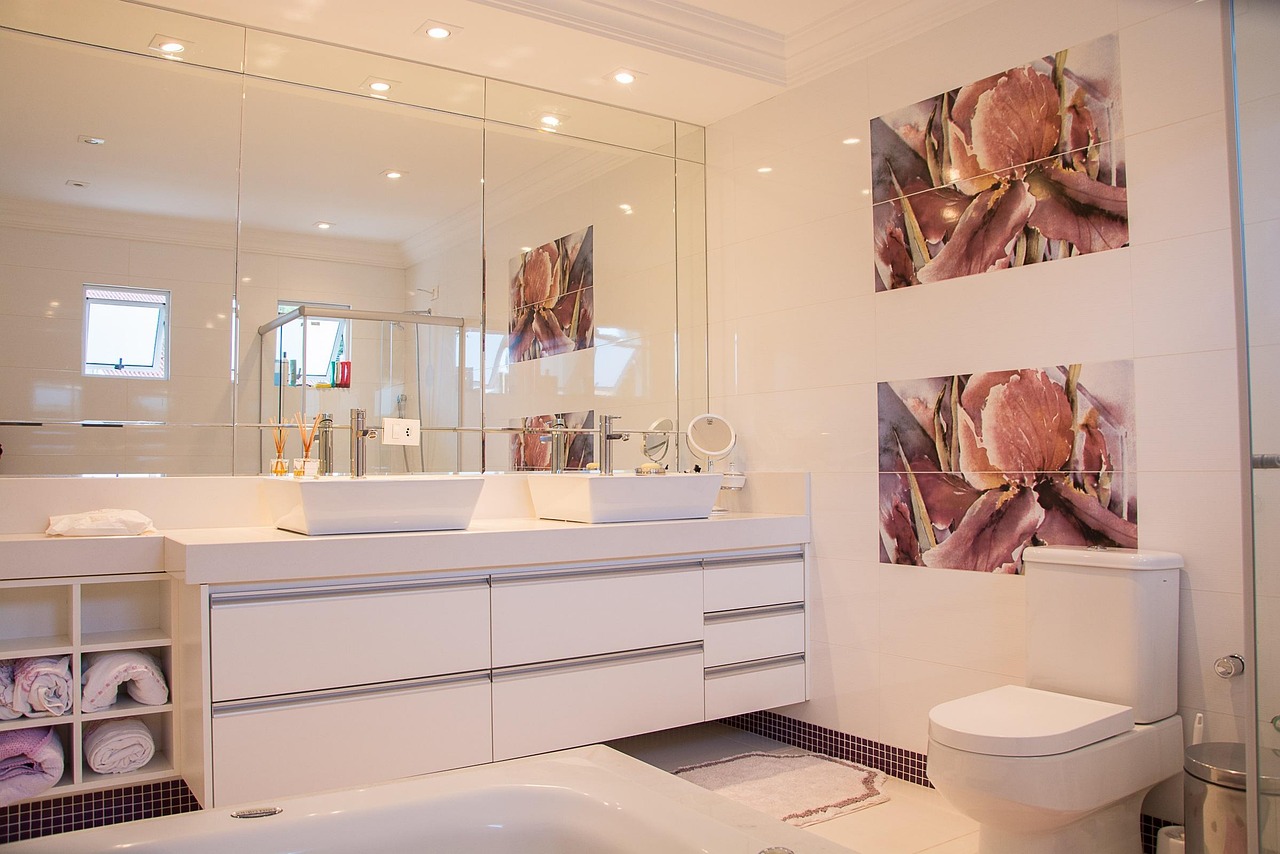
Tub to Shower Conversion gives you more usable space, easier cleaning, and improved safety — and it can often be done without a full remodel. If you want a practical, modern upgrade that increases accessibility and updates your bathroom’s look, a tub-to-shower conversion is a cost-effective option many homeowners complete in a day or a few days depending on plumbing and finishes.

You’ll get choices about layout, materials, grab bars, and doors that affect cost and long-term maintenance. This article walks through how to plan the upgrade, what to expect during installation, and the key post-conversion steps so you can make decisions with confidence and avoid surprises.

Planning Your Bathroom Upgrade

You will evaluate the existing layout, pick a shower type that fits your needs and space, and set a realistic budget that covers labor, materials, and contingencies. Focus on measurements, accessibility, finishes, and permit needs to avoid costly surprises.

Assessing Your Current Space

Measure the tub area precisely: length, width, and the height from floor to ceiling. Note the location of plumbing lines, the drain type (center or offset), and where the shower valve and water supply pipes sit. These details determine whether you can reuse plumbing or need rerouting.

Inspect the subfloor and studs for rot or water damage by removing the tub flange or a small access panel. Check ventilation (fan CFM) and clearances to doors, cabinets, and toilets. Take photos and sketch the space—contractors rely on accurate pictures and dimensions.

List any accessibility needs, such as low curbs, grab bars, or built-in benches. Confirm local code requirements for shower pan slopes, waterproofing, and electrical work; some municipalities require permits for plumbing relocation.

Choosing the Right Shower Style

Decide between prefabricated shower pans and custom-tiled pans. Prefab pans install faster and reduce waterproofing steps; tiled pans allow slope customization and match tile choices. Select materials that resist mold and handle moisture: solid surface, acrylic, porcelain tile, or large-format porcelain.

Choose an entry type: curbless/walk-in for accessibility, low-threshold for a balance of barrier and containment, or standard curb for simplicity. For glass, pick framed, semi-frameless, or frameless panels based on budget and maintenance preferences.

Plan shower features: single or multiple showerheads, handheld wand, niche(s) for storage, bench or fold-down seat, and grab bars. Match drain style (linear vs. center) to your floor slope and tile layout. Prioritize water efficiency: install a 1.8–2.5 GPM showerhead to save water without sacrificing pressure.

Budgeting and Cost Considerations

Create a line-item budget: demolition, plumbing reroute, waterproofing, shower base, tile or surround, glass, fixtures, labor, permits, and contingency (15–20%). Typical midrange conversions often fall between $3,000–$10,000, but costs vary widely by region and scope. Obtain three written quotes to compare scope and exclusions.

Factor in long-term value: higher-quality waterproofing and a properly sloped pan reduce future repair costs. If aging-in-place is a goal, budget for grab bars, a curbless entry, and a bench—these add cost but improve resale appeal. Keep receipts and warranty documents for fixtures and labor.

Installation and Post-Conversion Steps

You’ll complete the project by choosing durable materials, removing the tub and surrounding finishes properly, and confirming that the drain, supply lines, and venting match the new shower layout. Each step affects waterproofing, long-term maintenance, and compliance with local plumbing codes.

Selecting Materials and Fixtures

Pick a shower base that fits your bathroom footprint and water flow needs: acrylic or fiberglass prefab pans install quickly and resist stains, while tile pans offer customization but require precise sloping and a waterproof membrane. For walls, choose a solid-surface surround or large-format porcelain panels to minimize seams and grout cleaning; if you use tile, select alkali-resistant grout and plan for a full waterproof backer board system.

Select fixtures rated for your water pressure and flow restrictions. Use a pressure-balanced or thermostatic valve for scald protection. Match trim finish and showerhead type (rain, handheld, adjustable) to user needs; a slide bar adds accessibility. Buy replacement parts (cartridges, escutcheons) now so future repairs are quick.

Preparation and Demolition

Turn off water to the bathroom and remove the tub drain and faucet trim before cutting. Protect floors and adjacent rooms with rosin paper and dust barriers, and remove drywall or paneling back to the studs to inspect framing and sheathing for rot or mold.

Cut the tub out with a reciprocating saw if it’s cast or fiberglass; dispose of heavy cast-iron tubs with a truck or recycling service. Clean and level the subfloor; replace any damaged joists and install a cement backer board over a proper mud bed or prefabricated shower base flange. Verify studs are plumb and add blocking for grab bars and accessories.

Ensuring Plumbing Compatibility

Confirm the existing drain location and trap meet local code for shower drains; showers typically require a 2-inch drain for adequate flow. Measure the current trap weir height and invert if needed when switching from tub to low-profile base to prevent siphoning. If the new shower moves the drain, plan for rerouting the waste line and cutting joists only where structural reinforcement can be added.

Inspect hot and cold supply lines for copper, CPVC, or PEX compatibility with your new valve assembly. Install a pressure-balancing or thermostatic mixing valve sized to the branch line flow rate and include accessible shutoffs. Finally, test for leaks at 20–30 psi and run a flow test to confirm adequate pressure before closing walls.


Apartment for Rent in London Ontario: Affordable Downtown Units Near Western University

Looking for an apartment for rent in London, Ontario? You can find a wide range of options—from studio and one-bedroom units to larger family-sized apartments—with listings updated daily across multiple platforms. Expect to compare hundreds to thousands of rental listings, filter by price, amenities, and neighbourhood, and use virtual tours or verified photos to narrow your choices quickly.

In article Apartment for Rent in London Ontario You’ll want to focus on neighbourhood fit, commuting time, and building amenities while checking current rental prices and availability so you don’t miss a good unit. This article walks you through what matters in London’s rental market and what to consider when applying, so you can move forward with confidence.

Key Features of London, Ontario’s Rental Market

You will find a mix of purpose-built apartments, condos, and single-family rentals across neighbourhoods. Rent levels vary by unit size, age, and proximity to the downtown core and Western University.

Types of Rental Apartments Available

London offers several common rental types you’ll encounter: purpose-built low- and mid-rise apartment buildings, condominium units rented by owners, and houses or duplexes converted into multi‑unit rentals. Purpose-built buildings often include in-unit laundry, elevators, and on-site management, while condo rentals can offer newer finishes and private balconies but may lack building-level services.

Student-oriented units near Western and Fanshawe tend to be furnished or semi-furnished and leased on 8‑ to 12‑month cycles. Family-sized options (2–3 bedrooms) appear more often in suburban neighbourhoods like Hyde Park and North London. Expect older walk-up apartments downtown with lower rents and fewer amenities.

Typical Lease Terms and Conditions

Standard leases run 12 months for most units, though you’ll see 6‑ and 8‑month terms, especially for student areas. Leases commonly specify utilities included: heat and water are often included, while electricity and internet usually fall to your responsibility.

Security deposits are limited to first and last month’s rent only where permitted; landlords typically require a tenant reference and proof of income equal to 2.5–3 times the monthly rent. Pet policies vary: some buildings permit pets with a deposit or pet rent, while others prohibit them. Notice periods follow Ontario rules—generally 60 days for tenant termination aligned with lease end dates.

Average Rental Prices

Recent market data (early 2026) shows median asking rents near: one-bedroom ≈ $1,504, two-bedroom ≈ $1,925, and three-bedroom ≈ $2,450. Prices differ by neighbourhood: downtown and areas close to Western command higher per-bedroom rates; east and north suburbs typically run lower.

Vacancy rates rose recently, easing upward pressure on rents, but affordable-stock rents remain tight. Newer condo rentals may list above median by several hundred dollars due to updated finishes and parking. Always check current listings and CMHC or local market reports for the latest figures before budgeting.

Essential Considerations for Prospective Renters

Know how location, costs, and legal responsibilities will affect your daily life, budget, and move-in timeline. Prioritize transit, safety, and lease terms so you can compare options objectively and act quickly when a good unit appears.

Preferred Neighborhoods and Amenities

Decide which London neighbourhoods match your priorities: proximity to Western University or Fanshawe College if you need campus access; Old North or Wortley Village for quick downtown commutes; or Hyde Park for family-friendly parks and larger units. Check average rents in each area and compare against your budget.

List the must-have amenities and rank them. Example:

  • Transit access: bus routes within 5–10 minutes walking distance.
  • Parking: assigned spot, visitor stalls, or street permit availability.
  • In-suite features: laundry, dishwasher, and storage.
  • Building features: secure entry, bike storage, and on-site maintenance.

Visit potential buildings at different times to assess noise and safety. Walk the block, note grocery and medical access, and measure commute times during peak hours. Ask landlords about utility billing (included or separate) and internet/cable providers available in the building.

Application Process Overview

Prepare a rental application package before you start touring units. Include a government ID, recent pay stubs or proof of income, a credit report or consent to run one, references (previous landlord and employer), and a completed application form.

Expect these steps and timelines:

  1. Viewing and application submission — same-day showings are common; apply immediately if interested.
  2. Screening — credit, income verification, and reference checks typically take 24–72 hours.
  3. Lease signing and deposit — once approved, you’ll sign a written lease and pay the first month’s rent plus a deposit or last month’s rent as required.

Be ready to explain gaps in employment or lower credit scores and offer a co-signer or larger deposit if needed. Keep copies of every document you give the landlord and request a written receipt for deposits and application fees.

Tenant Rights and Responsibilities

Know that Ontario’s Residential Tenancies Act governs most rental agreements; it limits how and when landlords can increase rent and sets rules for maintenance and eviction. You have the right to a written lease that outlines rent, term, and included services.

Your responsibilities include paying rent on time, keeping the unit reasonably clean, and reporting repair needs promptly. You must not cause undue damage or disturb other tenants.

Document move-in condition with photos and a signed checklist. This protects your deposit when you move out. If disputes arise, use written communication first and consult the Landlord and Tenant Board or local tenant resources for formal guidance.


Fencing Contractors: Expert Installation, Repair, and Material Guidance

You want a fence contractor that matches your needs—privacy, security, curb appeal, or low maintenance—and a contractor who delivers it on time and on budget. Choose a contractor who clearly explains material options, installation steps, and costs up front so you avoid surprises and get the fence that fits your property and lifestyle.

This post Fencing Contractors walks you through common fencing solutions, how to compare materials and styles, and practical steps to vet contractors so you hire someone dependable and skilled. Expect straightforward guidance that helps you evaluate quotes, check credentials, and make decisions with confidence.

Types of Fencing Solutions

Choose fences by purpose, material, and maintenance needs so your install matches budget, privacy, and local code requirements. Below are specific options and typical trade-offs to help you select the right solution.

Residential Fence Options

For yard privacy and pet containment, consider wood privacy panels, cedar or pressure-treated pine, which offer solid coverage and can be stained; expect periodic sealing every 2–5 years.
If low maintenance and longevity matter, pick vinyl or composite panels; they resist rot and need only occasional washing.

For visibility and boundary marking, chain link delivers the lowest cost per linear foot and is easy to repair; add slats or shrubs for added privacy.
If curb appeal and classic style matter, choose picket or decorative metal (aluminum or wrought iron) for front yards; these require less material but often need periodic painting or rust prevention.

Consider gates, hardware grade, and post foundation—concrete-set posts increase lifespan.
Ask your contractor about local setback rules and utility locates before installation.

Commercial and Industrial Installations

Security, durability, and code compliance drive commercial choices.
Chain link with privacy slats and barbed wire or razor ribbon suits warehouses and yards requiring clear perimeter visibility and fast installation.

For higher security, select welded steel palisade, high-security mesh panels, or crash-rated barrier systems where vehicular access control is needed.
Corrosion-resistant finishes, galvanizing, and anti-climb features prolong life and meet insurance or regulatory requirements.

Access control integrates with gates, electronic operators, card readers, and CCTV mounts.
Specify fence heights, footing depths, and anti-undermining measures to comply with building codes and safety standards.

Custom and Decorative Designs

Custom fencing balances aesthetics with function for pools, gardens, and historic properties.
You can mix materials—wood posts with metal pickets, or stone piers with timber panels—to match architecture and landscape.

Ornamental aluminum offers classic lines without heavy maintenance and can mimic wrought iron at lower cost.
Laser-cut metal panels, custom gate automation, and integrated lighting add design value and usability.

Discuss finish options, corrosion protection, and fabrication tolerances with your contractor to ensure the final product fits site conditions and maintenance expectations.

Selecting Reliable Service Providers

You need contractors who combine proven workmanship, proper credentials, and documented experience. Focus on measurable indicators: punctual estimates, written contracts, verifiable references, and clear warranty terms.

Qualities to Look For

Ask about crew size, lead installer experience, and typical project timelines. A reliable contractor gives a written estimate with line-item costs for materials, labor, permits, and cleanup.
Check communication: prompt replies, documented change orders, and a single point of contact reduce mistakes.
Prioritize contractors who offer a written warranty covering both materials and labor for a specified period. Warranty length and coverage should appear in the contract.
Seek local firms with a physical office or shop you can visit. That reduces the risk of no-shows and simplifies warranty follow-up.
Request three recent references and visit at least one completed job. Inspect post-installation details: post alignment, gate operation, and finish consistency.

Licensing and Accreditation

Confirm the exact licenses the contractor holds for your municipality and for electrical or structural work if your fence includes lighting or retaining components. Ask for license numbers and verify online through your state or provincial licensing board.
Check insurance: require proof of general liability and worker’s compensation with your property listed as an insured location when applicable. Do not accept expired or uninsured claims.
Look for third-party accreditation like BBB listing, trade association membership, or manufacturer installer certification for specific fence systems. These indicate adherence to industry standards and access to proprietary materials or warranties.
Record all credentials and expiration dates in your project file before signing a contract.

Evaluating Project Portfolios

Ask for a portfolio showing at least five completed projects similar to yours in scope and material. Photos should include before, during, and after shots with close-ups of post settings, hardware, and end posts.
Request addresses or permission to visit sites; a walk-through confirms workmanship and lets you ask owners about scheduling and problem resolution.
Compare quoted materials to portfolio results. If a contractor promises “premium cedar” or “commercial-grade steel,” the portfolio should display comparable material quality and detailing.
Note consistency: repeated issues across jobs—uneven rails, warped boards, or sloppy concrete—signal systemic problems. Use the portfolio to form specific interview questions about techniques, timelines, and subcontractors used.


Copper Mining: Modern Techniques, Environmental Management, and Market Outlook

You depend on copper every day — in the wires that power your home, the EV that might be in your driveway, and the renewable grid that’s expanding worldwide. Copper mining supplies the raw metal that enables modern electrical systems and clean technologies, and understanding how it’s extracted and processed tells you where supply, cost, and environmental risk come from.

This article Copper Mining walks you through how copper moves from ore to usable metal, the main mining methods and processing steps, and the economic and environmental trade-offs shaping today’s projects. Expect clear explanations of extraction techniques, the biggest factors affecting supply, and what responsible production looks like so you can follow the bigger picture behind every copper-powered device.

Processes in Copper Extraction

You will encounter three core areas: surface and underground mining methods that recover ore, and the processing chain that concentrates and refines copper into saleable metal. Each area involves specific equipment, sequencing, and environmental controls.

Open-Pit Mining Methods

Open-pit operations use large, bench-style excavations to access near-surface copper ore bodies. You will typically see drilling and blasting to fragment rock, followed by wheel loaders, electric rope shovels, or hydraulic excavators that load haul trucks sized from 50 to 400+ tonnes.

Fragmented ore moves to primary crushers and coarse stockpiles. You must manage pit design (bench height, slope angles), haul-road geometry, and fleet productivity to minimize cost per tonne. Water control—drainage, pit dewatering—and dust suppression are essential for safe, continuous work.

Pit operations often separate ore from waste using grade-control sampling and short-interval mine planning. You should expect progressive rehabilitation of pit berms and waste dumps and staged tailings placement where applicable to meet regulatory requirements.

Underground Mining Techniques

Underground copper mines use methods chosen for deposit geometry and rock competence, such as block caving, sublevel stoping, or cut-and-fill. You will find block caving on large, low-grade orebodies: drawpoints and undercut zones collapse to produce large volumes with low unit cost.

For narrow, higher-grade veins, mechanized longhole stoping or room-and-pillar methods let you maximize recovery while controlling ground support with rock bolts and shotcrete. Ventilation, ground control monitoring, and remote or automated loaders and trucks reduce risk and increase output.

You must plan ore flow to surface via crushers or conveyors, manage backfill (paste or rock) to stabilize voids, and maintain strict ground support and safety protocols to prevent collapses and control subsidence at surface.

Ore Processing and Refining

Once delivered to the plant, ore follows either pyrometallurgical or hydrometallurgical routes based on mineralogy. For sulfide ores, you will see comminution (crushing and grinding), flotation to produce a copper concentrate (20–30% Cu), then smelting and converting to produce blister copper (~98–99% Cu). Electrorefining yields cathodes at 99.99% purity.

For oxide ores, you will encounter heap leaching with sulfuric acid, followed by solvent extraction and electrowinning (SX-EW) to produce cathodes directly. Key controls include leach kinetics, reagent dosing, and impurity management to protect electrowinning cell performance.

Across both routes, you must monitor mass balance, tailings handling (thickened tailings, paste, or filtered tailings), and emissions (SO2 from smelters, leachate management) to meet environmental permits and optimize metal recovery.

Economic and Environmental Impacts

You will find that copper’s economic role ties directly to where it’s produced, how markets price it, and which technologies reduce environmental harm. These links determine jobs, trade balances, emissions, and land use at mine sites.

Global Production and Major Producers

Chile, Peru, and China dominate primary copper production; Chile alone supplies roughly a quarter of mined copper. Large-scale open-pit operations like Escondida and Grasberg shape national export earnings and local employment.
You should note that concentrator plants, smelters, and refineries concentrate production in regions with both ore and processing capacity.

Production also concentrates capital and environmental risk. Mines generate tailings, require water for flotation, and change land cover over large areas. You need to consider permits, infrastructure (roads, power), and community agreements when evaluating a project’s viability.

Market Demand and Price Trends

Demand grows with electrification, renewable energy, and electric vehicles; analysts project significant incremental copper demand through 2035. You will see price sensitivity to supply disruptions, strikes, and concentrated output in a few countries.
Inventory levels on exchanges (LME, COMEX) and scrap recycling rates moderate price swings, but major mine project delays can push prices upward quickly.

Prices also respond to macro conditions: Chinese industrial activity, USD strength, and interest rates affect investment and consumption. You should track capital expenditure plans from major miners and planned mine closures to assess future supply tightness.

Sustainable Practices and Innovations

You must evaluate water use reduction, dry stacking of tailings, and sulfur dioxide capture at smelters as primary mitigation measures. Progressive operations invest in desalinated seawater, closed-circuit water systems, and renewable power to lower freshwater stress and carbon intensity.
Technological innovations include in-situ leaching for amenable deposits, heap-leach optimization, and electrified fleets that cut diesel emissions.

Recycling and urban mining reduce primary demand; secondary copper can meet a growing share of refined needs in regions with high scrap collection. You should weigh lifecycle emissions: recycled copper often has substantially lower CO2 per tonne than primary copper from conventional mines.