

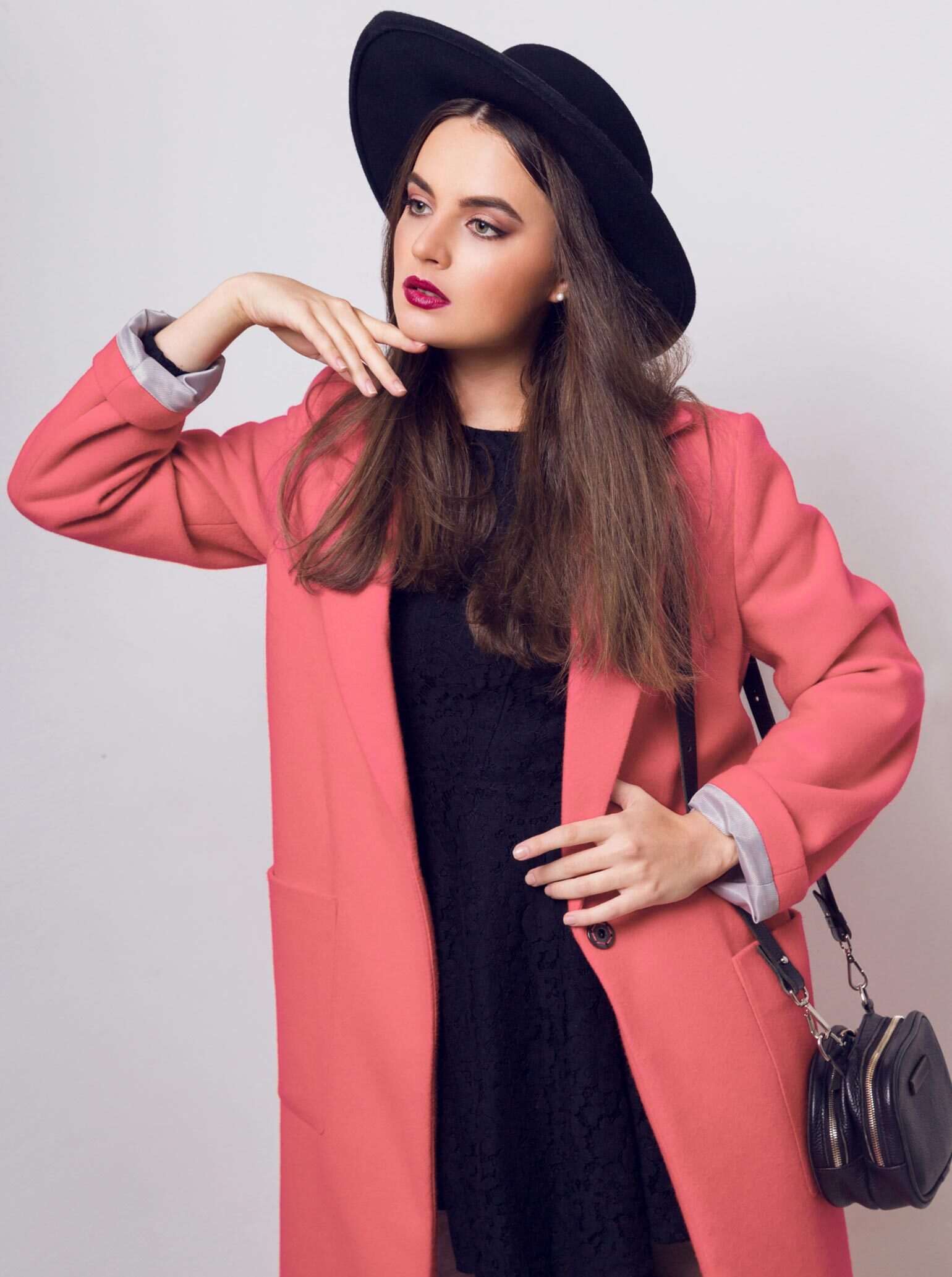

Second Hand Clothing Store Guide: Smart Shopping, Sustainability, and Style Tips
You can find high-quality, stylish pieces and save money while cutting waste — shopping at a second-hand clothing store gives you immediate value and long-term benefits. You’ll discover unique finds, often at a fraction of retail cost, while supporting a more sustainable wardrobe.
This guide Second Hand Clothing Store shows how to spot well-made items, evaluate condition, and choose stores that match your style and budget. Expect practical tips on where to shop, what to inspect, and how to make second-hand shopping both efficient and rewarding.
Benefits of Shopping Pre-Owned Apparel
Shopping pre-owned can lower your environmental footprint, stretch your clothing budget, and help you find one-of-a-kind pieces that express your style. The following sections explain how each of these benefits works in practical terms and what to look for when you shop.
Sustainability and Environmental Impact
Choosing pre-owned clothing reduces demand for new garment production, which cuts water use, energy consumption, and chemical inputs tied to fabric manufacturing. For example, buying a used cotton shirt saves the water and pesticides that would go into growing new cotton and avoids emissions from factory assembly and shipping.
You also keep textiles out of landfills by extending garments’ useful life. When you buy from a secondhand store, you directly delay that item’s disposal, lowering textile waste per person. Look for items in good condition to maximize this impact: durable fabrics, intact seams, and minimal staining extend lifespan.
Finally, local thrift purchases shrink shipping distances and support circular systems—repair, resale, and donation—so your choices channel clothing into reuse cycles rather than the linear buy-discard model.
Cost Savings for Shoppers
Pre-owned apparel typically costs a fraction of retail price, often 50–90% less than comparable new items. This lets you buy higher-quality brands or classic pieces you couldn’t afford new, such as wool coats or leather shoes, without overspending.
You also save when you treat secondhand purchases as investments: durable, timeless items need replacing less often. Look for structural quality—strong stitching, solid hardware, and resilient fabric—rather than trendy details that wear out quickly.
Smart shopping strategies increase savings: shop off-peak weekdays for restocked racks, check seasonal sections for bargains (coats in summer), and ask staff about incoming donations or discounts on marked days.
Discovering Unique and Vintage Styles
Secondhand stores offer access to garments no longer made, letting you build a wardrobe with distinct silhouettes, rare prints, and period-specific details. You can mix vintage pieces—like a 1970s denim jacket or 1990s slip dress—with modern basics for a personal look that stands apart from fast-fashion trends.
Hunting yields creative rewards: learn to identify era markers (waistlines, shoulder shapes, labels) and you’ll spot valuable or wearable finds faster. Check garment tags for fiber content and manufacturer information to authenticate vintage items.
Alterations and minor repairs turn odd finds into customized staples. Small tailoring—hemming a skirt or taking in a waist—lets you fit unique items into your daily rotation while keeping their original character.
How to Choose Quality Second-Hand Clothing
Focus on fabric integrity, accurate fit, and genuine labels to get durable, wearable pieces. Inspect seams, closures, and size details, and verify designer authenticity before you buy.
Assessing Fabric Condition
Check fabric for pilling, thinning, holes, and stains by turning the garment inside out and holding it to light. Tug seams and stress points gently—shouldn’t pull away or show loose threads.
Smell the item; a mild detergent scent is fine, but strong chemical or musty odors can be hard to remove. Scrunch the fabric to test recovery: natural fibers like wool and cotton spring back differently than synthetics.
Look at lining, interfacings, and hems as signs of overall construction. High-quality garments often have matched patterns at seams and reinforced elbows or cuffs. Note fiber content on the tag—100% wool or cotton often wears better than low-quality blends.
Understanding Sizing Variation
Don’t rely solely on the size number—brands, eras, and regions size garments differently. Measure key points: chest/bust, waist, hips, shoulder width, and sleeve length, and compare those measurements to a piece you already own that fits well.
Try items on with shoes or undergarments you plan to wear with them to check true fit. Allow for alterations: a skilled tailor can adjust hems and waistlines but may be limited by seam allowances or pattern placement.
Check stretch in knits and give in waistbands to understand real comfort. Label size, garment measurements, and intended fit (slim, relaxed, oversized) together determine whether the piece will work for your build and style.
Spotting Authentic Designer Pieces
Start with the label: spelling, font, and placement should match known examples from the brand. Compare hardware—zippers, buttons, and buckles—to authenticated references; designer hardware is usually heavy, well-finished, and branded.
Inspect construction details: consistent stitching, quality linings, and serial numbers or authenticity cards where applicable. Research brand-specific markers—holograms, date codes, or unique stitching patterns—and verify them against reputable brand guides or official sites.
Beware of obvious red flags: mismatched patterns, flimsy materials, and cheap hardware. When in doubt, take clear photos and consult online authentication communities or paid services before committing to high-priced designer buys.